
Sherri N. Campbell, PA

Overview
Sherri Campbell is a Cardiologist and a Physician Assistant in Newark, Delaware. Ms. Campbell has been practicing medicine for over 30 years and is rated as an Experienced provider by MediFind in the treatment of Sengers Syndrome. Her top areas of expertise are Familial Progressive Cardiac Conduction Defect, Heart Failure, Pulmonary Edema, and Sick Sinus Syndrome.
Insurance
Accepted insurance can change. Please verify directly with the provider.
Accepted insurance plans:
- EPO
- HMO
- POS
- PPO
- EPO
- HMO
- POS
- PPO
- HMO
- POS
- PPO
- EPO
- HMO
- PPO
- HMO
- POS
- PPO
- HMO
- INSURANCE PLAN
- MANAGED MEDICAID PLAN
- MEDICARE MAPD
- MEDICARE PDP
- MEDICARE SNP
- OTHER COMMERCIAL
- OTHER MEDICARE
- OTHER MEDICARE PART D
- PPO
- INSURANCE PLAN
- MANAGED MEDICAID PLAN
- MEDICARE MAPD
- MEDICARE SNP
- EPO
- HMO
- PPO
- EPO
- POS
- HMO
- INDEMNITY
- POS
- PPO
- EPO
- POS
- PPO
- HMO
- MANAGED MEDICAID PLAN
- MEDICARE MAPD
- MEDICARE-MEDICAID PLAN
- OTHER MANAGED MEDICAID
- PPO
- EPO
- HMO
- POS
- PPO
- EPO
- HMO
- INSURANCE PLAN
- MANAGED MEDICAID PLAN
- MEDICARE MAPD
- MEDICARE PDP
- MEDICARE SNP
- MEDICARE-MEDICAID PLAN
- OTHER MEDICARE
- OTHER MEDICARE PART D
Locations
200 Hygeia Drive, Suite 1360, Newark, DE 19713
Penn Heart And Vascular Center
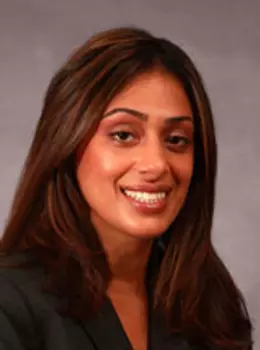
Anjali Owens is a Cardiologist in Philadelphia, Pennsylvania. Dr. Owens is rated as an Elite provider by MediFind in the treatment of Sengers Syndrome. Her top areas of expertise are Cardiomyopathy, Hypertrophic Cardiomyopathy (HCM), Familial Hypertrophic Cardiomyopathy, Dilated Cardiomyopathy (DCM), and Heart Transplant. Dr. Owens is currently accepting new patients.
Penn Heart And Vascular Center
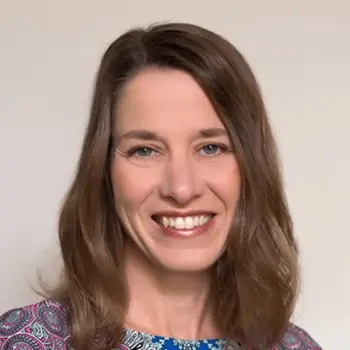
Sharlene Day is a Cardiologist in Philadelphia, Pennsylvania. Dr. Day is rated as an Elite provider by MediFind in the treatment of Sengers Syndrome. Her top areas of expertise are Hypertrophic Cardiomyopathy (HCM), Cardiomyopathy, Familial Hypertrophic Cardiomyopathy, Orchiectomy, and Heart Transplant. Dr. Day is currently accepting new patients.
Johns Hopkins Outpatient Center
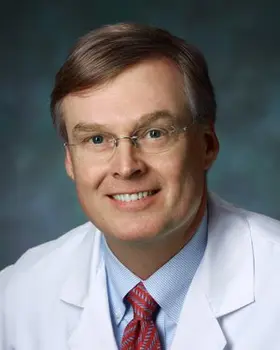
Edward K. Kasper, M.D. is a graduate of the Johns Hopkins University with a B.A. in Natural Sciences. He earned his M.D. at the University of Connecticut School of Medicine in 1984. His internship and residency in Internal Medicine, as well as his fellowship in Cardiovascular Medicine, were completed at the Johns Hopkins Hospital, where he then joined the faculty in 1993. He is a fellow of the American Heart Association as well as a fellow of the American College of Cardiology, having served on its board of governors from 2002 to 2006. Dr. Kasper has authored more than 100 articles and three books including, Living Well with Heart Failure. He is currently the Director of Outpatient Cardiology. Dr. Kasper's current research interests focus on the biological origins of heart failure. Specifically, his research has focused on causes and prognosis of patients with cardiomyopathy, a serious condition in which the heart has difficulty pumping blood throughout the body. Dr. Kasper works closely with his team at the Johns Hopkins Heart and Vascular Institute to understand the best ways to predict and prevent catastrophic cardiac events. With your support, Dr. Kasper will be able to continue his significant work in cardiovascular medicine in hopes of impacting the future of patients with cardiomyopathy and heart failure. Dr. Kasper is rated as a Distinguished provider by MediFind in the treatment of Sengers Syndrome. His top areas of expertise are Cardiomyopathy, Familial Hypertrophic Cardiomyopathy, Sengers Syndrome, Hypertrophic Cardiomyopathy (HCM), and Heart Transplant.
Areas of Expertise
MediFind evaluates expertise by pulling from factors such as number of articles a doctor has published in medical journals, participation in clinical trials, speaking at industry conferences, prescribing and referral patterns, and strength of connections with other experts in their field.
Learn more about MediFind’s expert tiers
- Distinguished
- ArrhythmiasMs. Campbell isDistinguished. Learn about Arrhythmias.
- Bidirectional TachycardiaMs. Campbell isDistinguished. Learn about Bidirectional Tachycardia.
- Catecholaminergic Polymorphic Ventricular Tachycardia
- Familial Progressive Cardiac Conduction DefectMs. Campbell isDistinguished. Learn about Familial Progressive Cardiac Conduction Defect.
- Heart FailureMs. Campbell isDistinguished. Learn about Heart Failure.
- Pulmonary EdemaMs. Campbell isDistinguished. Learn about Pulmonary Edema.
- Advanced
- Atrial FibrillationMs. Campbell isAdvanced. Learn about Atrial Fibrillation.
- CardiomyopathyMs. Campbell isAdvanced. Learn about Cardiomyopathy.
- Dilated Cardiomyopathy (DCM)Ms. Campbell isAdvanced. Learn about Dilated Cardiomyopathy (DCM).
- FaintingMs. Campbell isAdvanced. Learn about Fainting.
- Familial Neurocardiogenic SyncopeMs. Campbell isAdvanced. Learn about Familial Neurocardiogenic Syncope.
- Familial Ventricular TachycardiaMs. Campbell isAdvanced. Learn about Familial Ventricular Tachycardia.
- Experienced
- Adenosine Deaminase 2 DeficiencyMs. Campbell isExperienced. Learn about Adenosine Deaminase 2 Deficiency.
- AnginaMs. Campbell isExperienced. Learn about Angina.
- Aortic Valve StenosisMs. Campbell isExperienced. Learn about Aortic Valve Stenosis.
- Arrhythmogenic Right Ventricular Cardiomyopathy
- Arterial EmbolismMs. Campbell isExperienced. Learn about Arterial Embolism.
- AtherosclerosisMs. Campbell isExperienced. Learn about Atherosclerosis.