Neurologist Search Results

Brigham And Women's Hospital, Neurosciences Center
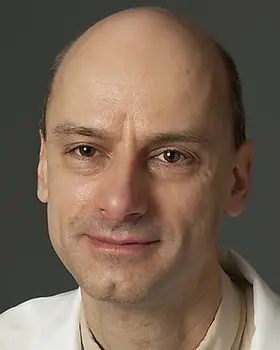
Christopher Stephen is a Neurologist practicing medicine in Boston, Massachusetts. Dr. Stephen is highly rated in 38 conditions, according to our data. His clinical expertise encompasses Drug Induced Dyskinesia, Spinocerebellar Ataxia Type 27, Movement Disorders, and Tay-Sachs Disease. Dr. Stephen is board certified in Neurology.
BIDMC Department Of Neurology
Erik Uhlmann is a Neurologist practicing medicine in Boston, Massachusetts. Dr. Uhlmann is highly rated in 31 conditions, according to our data. His clinical expertise encompasses Metastatic Brain Tumor, Brain Tumor, Astrocytoma, Glioblastoma, and Gamma Knife Radiosurgery. Dr. Uhlmann is board certified in American Board Of Pathology.

Dana-Farber Cancer Institute, Center For Neuro-Oncology
Patrick Wen is a Neurologist practicing medicine in Boston, Massachusetts. Dr. Wen is highly rated in 26 conditions, according to our data. His clinical expertise encompasses Glioblastoma, Astrocytoma, Glioma, and Brain Tumor. Dr. Wen is board certified in Neurology and Neuro-Oncology.

BIDMC Department Of Neurology
Samuel Frank is a Neurologist practicing medicine in Boston, Massachusetts. Dr. Frank is highly rated in 25 conditions, according to our data. His clinical expertise encompasses Huntington Disease, Chorea, Movement Disorders, Drug Induced Dyskinesia, and Gastrostomy. Dr. Frank is board certified in American Board Of Psychiatry And Neurology.

BIDMC Department Of Neurology
Roy Freeman is a Neurologist practicing medicine in Boston, Massachusetts. Dr. Freeman is highly rated in 19 conditions, according to our data. His clinical expertise encompasses Orthostatic Hypotension, Familial Dysautonomia, Low Blood Pressure, and Multiple System Atrophy. Dr. Freeman is board certified in American Board Of Psychiatry And Neurology.

Brigham And Women's Faulkner Hospital, Department Of Neurology
Peter Novak is a Neurologist practicing medicine in Jamaica Plain, Massachusetts. Dr. Novak is highly rated in 19 conditions, according to our data. His clinical expertise encompasses Familial Dysautonomia, Vasoconstriction, Hereditary Sensory Neuropathy Type 1 (HSN1), Peripheral Neuropathy, and Deep Brain Stimulation. Dr. Novak is board certified in Neurology.

Brigham And Women's At South Shore Health
Rani Sarkis MD, MSc. graduated from a combined MD/MSc. program from the American University of Beirut. He then completed neurology residency at the Cleveland Clinic, a 2-year fellowship in clinical neurophysiology/epilepsy at Brigham and Women’s Hospital and a fellowship in behavioral neurology/neuropsychiatry at Massachusetts General Hospital. He evaluates patients at Brigham and Women’s and South Shore Hospital and is also director of neurophysiology education for neurology residents at BWH. His areas of expertise and research interests include epilepsy in the elderly, seizures in dementia, memory and concentration difficulties in patients with epilepsy, cognitive complications after epilepsy surgery, and autoimmune epilepsy.He has received funding from the NIH and the American Epilepsy Society Junior Investigator Award to study late onset unexplained epilepsy. Dr. Sarkis is highly rated in 18 conditions, according to our data. His clinical expertise encompasses Seizures, Epilepsy, Generalized Tonic-Clonic Seizure, Memory Loss, and Deep Brain Stimulation. Dr. Sarkis is board certified in Neurology, Epilepsy, and Behavioral & Cognitive.

BIDMC Department Of Neurology
David Simon is a Neurologist practicing medicine in Boston, Massachusetts. Dr. Simon is highly rated in 18 conditions, according to our data. His clinical expertise encompasses Parkinson's Disease, Movement Disorders, Serotonin Syndrome, Hereditary Ataxia, and Deep Brain Stimulation. Dr. Simon is board certified in American Board Of Psychiatry And Neurology.

Brigham And Women's Hospital, Neurosciences Center
Nutan Sharma received an AB from Stanford University, and her MD and PHD from the State University of New York at Stony Brook. She competed a Neurology residency at Yale University, and a fellowship in movement disorders with Brad Hyman at MGH. She became an instructor in Neurology at Harvard medical School in 2001, attaining the rank of Associate Professor in 2011. In 2001, Dr. Sharma established the first Dystonia Clinic for comprehensive care of patients with dystonia at the Massachusetts General Hospital and Brigham and Women’s Hospital. In 2005, the International Movement Disorders Society honored Dr. Sharma for Excellence in Basic Science. She is also director of the Collaborative Center for the study of X-linked Dystonia-Parkinsonism (XDP), which funds research and medical care for those with XDP. Dr. Sharma is highly rated in 16 conditions, according to our data. Her clinical expertise encompasses Drug Induced Dyskinesia, Focal Dystonia, Movement Disorders, X-Linked Dystonia-Parkinsonism, and Deep Brain Stimulation. Dr. Sharma is board certified in Neurology.

Brigham And Women's Hospital, Neurosciences Center
Jong Woo Lee, MD, PhD, directs the Brigham Critical Care Monitoring Program and is the Clinical Director of the Epilepsy Division. He graduated from Harvard College and obtained his medical and doctorate degrees at McGill University and the Montreal Neurological Institute before completing the Partners Neurology Residency and Clinical Neurophysiology Fellowship at BWH. Dr. Lee’s areas of clinical expertise and research interests include critical care EEG, status epilepticus, cardiac arrest prognostication, brain tumor associated seizures, sudden unexpected death in epilepsy, and the medical management of epilepsy. Dr. Lee is highly rated in 15 conditions, according to our data. His clinical expertise encompasses Seizures, Generalized Tonic-Clonic Seizure, Epilepsy, Gastrostomy, and Carotid Artery Surgery. Dr. Lee is board certified in Neurology, Epilepsy, and Clinical Neurophysiology.

Beth Israel Deaconess Medical Center Department Of Neurology
Michael Westover is a Neurologist practicing medicine in Boston, Massachusetts. Dr. Westover is highly rated in 14 conditions, according to our data. His clinical expertise encompasses Seizures, Epilepsy, Delirium, Thrombectomy, and Septoplasty. Dr. Westover is board certified in American Board Of Psychiatry And Neurology.

BIDMC Department Of Neurology
Christopher Gibbons is a Neurologist practicing medicine in Boston, Massachusetts. Dr. Gibbons is highly rated in 13 conditions, according to our data. His clinical expertise encompasses Familial Dysautonomia, Orthostatic Hypotension, Low Blood Pressure, Multiple System Atrophy, and Tissue Biopsy. Dr. Gibbons is board certified in American Board Of Psychiatry And Neurology.

BIDMC Department Of Neurology
Pushpa Narayanaswami is a Neurologist practicing medicine in Boston, Massachusetts. Dr. Narayanaswami is highly rated in 13 conditions, according to our data. Her clinical expertise encompasses Myasthenia Gravis, Limb-Girdle Muscular Dystrophy, Polymyositis, Vein of Galen Aneurysm, and Thymectomy. Dr. Narayanaswami is board certified in American Board Of Psychiatry And Neurology.

BIDMC Department Of Neurology
Seward Rutkove is a Neurologist practicing medicine in Boston, Massachusetts. Dr. Rutkove is highly rated in 12 conditions, according to our data. His clinical expertise encompasses Primary Lateral Sclerosis, Amyotrophic Lateral Sclerosis (ALS or Lou Gehrig's Disease), Duchenne Muscular Dystrophy, Becker Muscular Dystrophy, and Orchiectomy. Dr. Rutkove is board certified in American Board Of Psychiatry And Neurology.

BIDMC Department Of Neurology
Jacob Sloane is a Neurologist practicing medicine in Boston, Massachusetts. Dr. Sloane is highly rated in 10 conditions, according to our data. His clinical expertise encompasses Multiple Sclerosis (MS), Relapsing Multiple Sclerosis (RMS), Shingles, Myelin Oligodendrocyte Glycoprotein Antibody-Associated Disease, and Osteotomy.

Brigham And Women's Hospital, Neurosciences Center
Reisa Sperling is a Neurologist practicing medicine in Boston, Massachusetts. Dr. Sperling is highly rated in 9 conditions, according to our data. Her clinical expertise encompasses Alzheimer's Disease, Dementia, Memory Loss, Primary Amyloidosis, and Hormone Replacement Therapy (HRT).

BIDMC Department Of Neurology
Magdy Selim is a Neurologist practicing medicine in Boston, Massachusetts. Dr. Selim is highly rated in 9 conditions, according to our data. His clinical expertise encompasses Stroke, Transient Ischemic Attack (TIA), Cerebral Arteriovenous Malformation, Thrombectomy, and Gastrostomy. Dr. Selim is board certified in American Board Of Psychiatry And Neurology.

BIDMC Department Of Neurology
Daniel Goldenholz is a Neurologist practicing medicine in Boston, Massachusetts. He has been practicing medicine for over 18 years. Dr. Goldenholz is highly rated in 8 conditions, according to our data. His clinical expertise encompasses Seizures, Epilepsy, Absence Seizure, and Generalized Tonic-Clonic Seizure. Dr. Goldenholz is board certified in American Board Of Clinical Neurophysiology.

Brigham And Women's Faulkner Hospital, Sleep Medicine And Endocrinology Center
Milena Pavlova, MD, is a board-certified neurologist with a dual subspecialty certification in Sleep Medicine and Epilepsy. She currently serves as the Medical Director of the BWFH Sleep Testing Center, and is involved in the training of medical students, neurology residents and epilepsy fellows. She has established combined polysomnogram and electroencephalography (EEG) monitoring of patients at the Faulkner Sleep Laboratory to evaluate patients with complex sleep disorders in the setting of neurological and psychiatric conditions and collaboratively lead the establishment of the circadian clinic. She is a recipient of the BWH Distinguished clinician award.Dr. Pavlova’s reads EEGs and sleep tests daily in her clinical work and has lead research activities addressing the interactions between sleep and neurological disorders for more than a decade. Her past research projects have assessed various aspects of sleep and epilepsy with a specific focus on the circadian rhythm effects, publishing some of the first studies on the subject. This work has since been replicated in multiple different epilepsy centers, and further extended to explore the role of sleep and biological rhythms in the pathogenesis of sudden death in epilepsy patients (SUDEP) – the most devastating consequence of epilepsy.Currently, Dr. Pavlova serves as principal investigator on several research studies aiming at optimizing diagnosis using objective EEG criteria. Since hypersomnia is common among patients with depression, and antidepressant medications can affect the results of sleep tests used in the evaluation of hypersomnia (typically a multiple sleep latency test [MSLT]), she currently leads a project that specifically aims at in patients with depression, who are still taking antidepressants at the time of the test. This project established a database of MSLT/sleep/EEG test results from five Harvard-affiliated hospitals, with inclusion of comorbidities and level of sleepiness. This allows more specific analysis of correlation between specific EEG and sleep parameters and depression symptoms of the participants. Dr. Pavlova is highly rated in 8 conditions, according to our data. Her clinical expertise encompasses Seizures, Memory Loss, Epilepsy, and Obstructive Sleep Apnea. Dr. Pavlova is board certified in Neurology, Sleep Medicine, and Epilepsy.

Brigham And Women's Hospital, Neurosciences Center
Jeremiah Scharf is a Neurologist practicing medicine in Boston, Massachusetts. Dr. Scharf is highly rated in 7 conditions, according to our data. His clinical expertise encompasses Tourette Syndrome, Movement Disorders, Transient Tic Disorder, Drug Induced Dyskinesia, and Deep Brain Stimulation. Dr. Scharf is board certified in Neurology and Behavioral & Cognitive.

Brigham And Women's Hospital, Neurosciences Center
Gad Marshall is a Neurologist practicing medicine in Boston, Massachusetts. Dr. Marshall is highly rated in 7 conditions, according to our data. His clinical expertise encompasses Agnosia, Alzheimer's Disease, Dementia, and Memory Loss. Dr. Marshall is board certified in Neurology.

Mass General Brigham Healthcare Center (Foxborough)
Paul G. Mathew, MD, DNBPAS, FAAN, FAHS completed his neurology residency at Temple University Hospital in Philadelphia, PA, and then completed a fellowship in headache medicine at Mayo Clinic in Rochester, MN. He is board certified in neurology and headache medicine. He is currently an Assistant Professor of Neurology at Harvard Medical School (HMS), and holds positions at three HMS affiliated institutions. He has clinical appointments at Brigham and Women's Hospital and Harvard Vanguard Medical Associates/Atrius Health, as well as a teaching appointment at the Cambridge Health Alliance. In addition to conventional headache treatments, Dr. Mathew performs Botox injections, trigger point injections, and nerve blocks.In terms of his academic responsibilities, he has been involved in the education of countless neurology, psychiatry, internal medicine, family medicine, dental medicine, pain medicine, and headache medicine trainees. Regarding medical student education, he is the founder of the Harvard Medical School Advanced Neurology Clerkship at Brigham and Women’s Faulkner Hospital. He has written over 80 publications, and has presented at both national and international conferences. Dr. Mathew has served as a peer reviewer for multiple journals including the American Journal of Managed Care, the British Medical Journal, Cephalalgia, Headache, Headache Currents, Pain Medicine, Mayo Clinic Proceedings,Neurology, the Journal of Neuroimaging, and the New England Journal of Medicine. He is the Co-Chief Medical Editor of the journal Practical Neurology. In addition, Dr. Mathew applies his passion for writing as a contributing editor on the Harvard Medical School Health Blog, which is intended to educate the public on a wide array of subjects in medicine. He is a member of several medical societies including the Massachusetts Neurological Association, the American Academy of Neurology, the American Headache Society, and the International Headache Society. He is the current Chairman of the American Headache Society Procedural Special Interest Section. Dr. Mathew is highly rated in 6 conditions, according to our data. His clinical expertise encompasses Migraine, Headache, Neuralgia, Nerve Decompression, and Septoplasty. Dr. Mathew is board certified in Neurology.

BIDMC Department Of Neurology
Tamara Fong is a Neurologist practicing medicine in Boston, Massachusetts. Dr. Fong is highly rated in 6 conditions, according to our data. Her clinical expertise encompasses Delirium, Dementia, Alzheimer's Disease, and Cerebellar Degeneration. Dr. Fong is board certified in American Board Of Psychiatry And Neurology.

Beth Israel Deaconess Medical Center
Ludy Shih is a Neurologist practicing medicine in Boston, Massachusetts. Dr. Shih is highly rated in 6 conditions, according to our data. Her clinical expertise encompasses Movement Disorders, Parkinson's Disease, Essential Tremor, Drug Induced Dyskinesia, and Deep Brain Stimulation. Dr. Shih is board certified in American Board Of Psychiatry And Neurology.

Beth Israel Deaconess Medical Center
Sait Ashina is a Neurologist practicing medicine in Brookline, Massachusetts. Dr. Ashina is highly rated in 5 conditions, according to our data. His clinical expertise encompasses Migraine, Headache, Tension Headache, Neuralgia, and Nerve Decompression. Dr. Ashina is board certified in American Board Of Psychiatry And Neurology.