Refine by health condition
Neurologist Search Results
MediFind found 95 specialists near New Hudson, MI
Michigan Institute For Neurological Disorders (MIND)
Aaron Ellenbogen is a Neurologist in Farmington Hills, Michigan. Dr. Ellenbogen has been practicing medicine for over 28 years is highly rated in 61 conditions, according to our data. His top areas of expertise are Movement Disorders, Parkinson's Disease, Drug Induced Dyskinesia, Essential Tremor, and Deep Brain Stimulation. Dr. Ellenbogen is currently accepting new patients.

Rehabilitation Physicians PC
Michael Ellenberg is a Physiatrist and a Neurologist in Novi, Michigan. Dr. Ellenberg has been practicing medicine for over 21 years is highly rated in 5 conditions, according to our data. His top areas of expertise are Sacroiliac Joint Disease, Bursitis, Tendinitis, and Tennis Elbow. Dr. Ellenberg is currently accepting new patients.

Michigan Institute For Neurological Disorders (MIND)
Daniel Singer is a Neurologist in Farmington Hills, Michigan. Dr. Singer has been practicing medicine for over 29 years is highly rated in 92 conditions, according to our data. His top areas of expertise are Essential Tremor, Memory Loss, Migraine, and Seizures. Dr. Singer is currently accepting new patients.
David Green Neurological Associates
David Green is a Neurologist in Commerce Township, Michigan. Dr. Green has been practicing medicine for over 41 years is highly rated in 33 conditions, according to our data. His top areas of expertise are Generalized Tonic-Clonic Seizure, Seizures, Tension Headache, and Memory Loss. Dr. Green is currently accepting new patients.
Michigan Institute For Neurological Disorders (MIND)
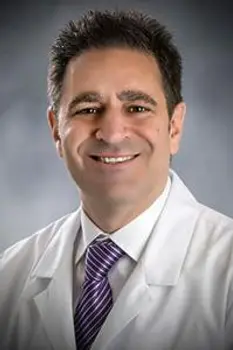
William Boudouris is a Neurologist in Farmington Hills, Michigan. Dr. Boudouris has been practicing medicine for over 33 years is highly rated in 76 conditions, according to our data. His top areas of expertise are Increased Intracranial Pressure, Pseudotumor Cerebri Syndrome, Multiple Sclerosis (MS), and Stroke. Dr. Boudouris is currently accepting new patients.
Novi Neurology PC
Vijay Samuel is a Neurologist in Novi, Michigan. Dr. Samuel has been practicing medicine for over 34 years is highly rated in 18 conditions, according to our data. His top areas of expertise are Progressive Myoclonic Epilepsy, Unverricht-Lundborg Syndrome, Lafora Disease, and Dravet Syndrome. Dr. Samuel is currently accepting new patients.
Henry Ford West Bloomfield Hospital
Ximena Arcila is a Neurologist in West Bloomfield, Michigan. Dr. Arcila is highly rated in 17 conditions, according to our data. Her top areas of expertise are Amyotrophic Lateral Sclerosis (ALS or Lou Gehrig's Disease), Spinal Muscular Atrophy (SMA), Spinal and Bulbar Muscular Atrophy, Spinal Muscular Atrophy Type 3, and Gastrostomy.

Michigan Institute For Neurological Disorders (MIND)
Bradley Aymen is a Neurologist in Farmington Hills, Michigan. Dr. Aymen is highly rated in 56 conditions, according to our data. His top areas of expertise are Increased Intracranial Pressure, Pseudotumor Cerebri Syndrome, Tension Headache, and Stroke. Dr. Aymen is currently accepting new patients.

East Ann Arbor Health & Geriatrics Center
Peter K. Todd, M.D., Ph.D., is an assistant professor in the Department of Neurology in the University of Michigan Medical School.Dr. Todd earned his Bachelor of Science degree in 1994 from the University of California, San Diego. He then entered the Medical Science Training Program at the University of Wisconsin at Madison, where he completed his doctorate in 2002 and medical degree in 2004. His Ph.D research focused on synaptic defects in Fragile X Syndrome, a common inherited cause of cognitive impairment in children.He completed his internship and residency at the Hospital of the University of Pennsylvania in Philadelphia. While there, he did research on the role of the ubiquitin proteasome system and autophagy in Spinal and Bulbar Muscular Atrophy, a polyglutamine disorder, and Fragile X Tremor Ataxia Syndrome (FXTAS). He came to the U-M in 2008 for a clinical and research fellowship in movement disorders and neurogenetics.Todd joined the U-M faculty in 2010 as an assistant professor in movement disorders and neurogenetics, working in the laboratory of Henry L. Paulson, M.D., Ph.D., in the Center for Neurodegenerative Research.His current research is focused on the mechanisms underlying RNA-mediated neurodegeneration in FXTAS and myotonic dystrophy, and how these mechanisms may overlap and inform our understanding of other neurodegenerative disorders. He also sees patients with movement disorders and inherited neurological disease.Dr. Todd has received several academic awards, including a Howard Hughes Undergraduate Research Fellowship, the Francis M. Forester Prize for promise as an academic neurologist, the Samuel Ziritzky Prize for most outstanding research by a neurology resident at Penn and prizes for excellence in research at the International Conference on Unstable Microsatellites in Human Disease, and the U-M neuroscience day. Most recently, Dr Todd received the S. Weir Mitchell Alliance award from the American Academy of Neurology which each year recognizes one early investigator physician scientist who has made important contributions to basic science in neurological disorders.A member of the American Medical Association and the American Academy of Neurology, he has served as an ad-hoc reviewer for the Journal of Biological Chemistry, Neurology, Proceedings of the National Academy of Sciences, Neuron, Science and Human Molecular Genetics.His bibliography includes several peer-reviewed papers, editorials, book reviews and chapters, abstracts and online. Dr. Todd is highly rated in 48 conditions, according to our data. His top areas of expertise are Fragile X Syndrome, Fragile XE Syndrome, Hereditary Ataxia, and Amyotrophic Lateral Sclerosis (ALS or Lou Gehrig's Disease).

Associates In Neurology PC
Bruce Silverman is a Neurologist in Farmington Hills, Michigan. Dr. Silverman has been practicing medicine for over 43 years is highly rated in 43 conditions, according to our data. His top areas of expertise are Thromboangiitis Obliterans, Cerebral Autosomal Dominant Arteriopathy with Subcortical Infarcts and Leukoencephalopathy, Memory Loss, and Epilepsy. Dr. Silverman is currently accepting new patients.
East Ann Arbor Health & Geriatrics Center
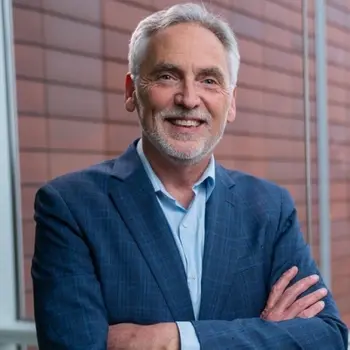
Henry L. Paulson, M.D., Ph.D., is the Lucile Groff Professor of Neurology for Alzheimer's Disease and Related Disorders in the Department of Neurology at the University of Michigan. Dr. Paulson joined the U-M faculty in 2007, and he currently directs the Michigan Alzheimer’s Disease Center (MADC) and co-direct the U-M Protein Folding Diseases Initiative.Dr. Paulson received his medical degree and doctorate in Cell Biology from Yale University in 1990. He then completed a neurology residency and neurogenetics/movement disorders fellowships at the University of Pennsylvania. In 1997, he joined the Neurology faculty at the University of Iowa, where he remained until 2007.Dr. Paulson's research and clinical interests concern the causes and treatment of age-related neurodegenerative diseases, with an emphasis on polyglutamine diseases, Alzheimer's disease and frontotemporal dementia. In 1997, his lab described abnormal protein aggregates in the polyglutamine diseases, which now are recognized as a pathological hallmark in this important class of inherited diseases. Using test tube, cell-based and animal models, he has contributed to advances in the understanding of various neurodegenerative diseases. His lab also has helped pioneer the use of gene silencing methods as potential therapy for the many neurological disorders caused by toxic mutant genes.Nationally, Dr. Paulson has directed popular courses at the American Academy of Neurology meetings, serves on the scientific advisory boards of numerous disease-related national organizations, and is past Chair of the Board of Scientific Counselors at the National Institute for Neurological Disorders and Stroke at the National Institutes of Health.Among his awards, Dr. Paulson is an Ellison Medical Foundation New Scholar in Aging, a semifinalist for the W.M. Keck Foundation Young Scholars in Medical Research, and a recipient of the Paul Beeson Physician Faculty Scholar in Aging Award from the American Federation for Aging Research. Dr. Paulson is highly rated in 41 conditions, according to our data. His top areas of expertise are Olivopontocerebellar Atrophy, Spinocerebellar Ataxia Type 3, Spinocerebellar Ataxia, and Drug Induced Dyskinesia.

Brighton Center For Specialty Care
Christopher Chauncey Spears, MD is a Clinical Associate Professor of Neurology at the University of Michigan. His time is shared between seeing patients in the movement disorders neurology clinic, assisting in clinical trials, and teaching at the medical school.Dr. Spears sees all patients with movement disorders (i.e. Parkinson’s disease, tremor, dystonia, Huntington’s Disease) but he has a particular interest in those affected by Progressive Supranuclear Palsy (PSP), Corticobasal Syndrome (CBS/CBD), and Multiple System Atrophy (MSA). He serves as the Director of the Atypical Parkinson’s Clinic, as well as the institution’s CurePSP Center of Care and Mission MSA Center of Excellence.He additionally sees patients with Functional Movement Disorders (FMD) and serves as the faculty lead for the motor FND-FMD Physiotherapy Program. More than anything, Dr. Spears is a clinician-educator, directing the Movement Disorders Fellowship Training Program, supervising neurology residents in their continuity clinics, teaching in the medical schools ‘Doctoring’ program, and educating his patients. He is a frequent contributor to the ‘Ask the Doctor’ series for the Ann Arbor PD Support Group and has served as a content editor for the National Parkinson’s Foundation website, a patient and care partner resource with over 5 million views annually. Dr. Spears is highly rated in 35 conditions, according to our data. His top areas of expertise are Progressive Supranuclear Palsy Atypical, Progressive Supranuclear Palsy, Supranuclear Ophthalmoplegia, and Supranuclear Ocular Palsy.

Brighton Center For Specialty Care
Amy Ferng is a Clinical Assistant Professor in the Department of Neurology. Dr. Ferng earned her degree in medicine at the University of Toledo College of Medicine. She completed her internship and neurology residency at the University of Florida as well as a Movement Disorders fellowship at the University of California, San Diego before joining the faculty at Michigan Medicine. She is board-certified in Neurology.Dr. Ferng treats patients with movement disorders including tremor disorders, Parkinson disease, atypical Parkinsonian disorders, dystonias, and ataxias. She serves as the co-director of the multidisciplinary Ataxia clinic and is involved in clinical research for patients with ataxic disorders. Dr. Ferng is highly rated in 33 conditions, according to our data. Her top areas of expertise are Primary Orthostatic Tremor, Drug Induced Dyskinesia, Hereditary Ataxia, and Movement Disorders.
Michigan Institute For Neurological Disorders (MIND)
Jonathan Fellows is a Neurologist in Farmington Hills, Michigan. Dr. Fellows has been practicing medicine for over 30 years is highly rated in 75 conditions, according to our data. His top areas of expertise are Essential Tremor, Transient Ischemic Attack (TIA), Autosomal Dominant Partial Epilepsy with Auditory Features, and Cerebellar Degeneration. Dr. Fellows is currently accepting new patients.

Michigan Institute For Neurological Disorders (MIND)
Erin Frankowicz is a Neurologist in Farmington Hills, Michigan. Dr. Frankowicz is highly rated in 25 conditions, according to our data. Her top areas of expertise are Stroke, Seizures, Generalized Tonic-Clonic Seizure, and Opsoclonus-Myoclonus Syndrome. Dr. Frankowicz is currently accepting new patients.

East Ann Arbor Health & Geriatrics Center
Roger L. Albin, M.D. (Residency 1986), is a professor of neurology, associate chair for research and co-director of the Movement Disorders Clinic in the Department of Neurology in the University of Michigan Medical School. In addition, he serves as chief of neuroscience research at the VA Ann Arbor Healthcare System Geriatric Research Education and Clinical Center.Dr. Albin joined the U-M faculty in 1988 as an instructor in the Department of Neurology. He was promoted to assistant professor in 1989; associate professor in 1994; and achieved his current rank of full professor in 2000.After completing his undergraduate degree at Oberlin College in Ohio, Dr. Albin earned his medical degree from the University of Pittsburgh School of Medicine in 1982, and completed his residency at the University of Michigan in 1986. He also completed a movement disorders fellowship in 1988 under Drs. Anne Young and John Penney.His clinical and research interests include the underlying neurobiologic causes of the clinical features of movement disorders, basal ganglia structure and function, Parkinson's disease, Tourette syndrome, dementias, dystonias and Huntington's disease. His laboratory is pursuing work on basic mechanisms of neurodegeneration in Huntington disease using mouse genetic models. Dr. Albin also has participated in neuroprotective clinical trials for both Huntington's disease and Parkinson's disease.The present focus of Dr. Albin's group is uncovering the basis for non-motor (sleep disorders, depression, dementia, autonomic dysfunction) problems in Parkinson's disease. He is very interested in applying positron emission tomography (PET) imaging methods to improve diagnosis of dementing disorders like Alzheimer's disease. The hope is that understanding how specific brain alterations cause specific clinical features will lead to improved treatments.Dr. Albin currently serves as a site investigator for the National Institutes of Health (NIH) Exploratory Trials in Parkinson disease (NET-PD) initiative. His work is supported by grants from the NIH, the Michael J. Fox Foundation and the High Q Foundation.A member of the American Academy of Neurology, the American Association for the Advancement of Science, the American Neurologic Association, and the Society for Neuroscience, Dr. Albin currently serves on the editorial boards of Experimental Neurology, Neurology and Neurobiology of Disease. Dr. Albin is highly rated in 25 conditions, according to our data. His top areas of expertise are Parkinson's Disease, Movement Disorders, Huntington Disease, Dementia, and Deep Brain Stimulation.

Specialists In Pediatric Neurology PLLC
Daniel Arndt is a Neurologist and a Pediatric Neurologist in West Bloomfield, Michigan. Dr. Arndt has been practicing medicine for over 23 years is highly rated in 24 conditions, according to our data. His top areas of expertise are Seizures, Generalized Tonic-Clonic Seizure, Absence Seizure, and Memory Loss. Dr. Arndt is currently accepting new patients.
Regents Of The Univ. Of Michigan
Vikram Shakkottai is a Neurologist in Ann Arbor, Michigan. Dr. Shakkottai is highly rated in 72 conditions, according to our data. His top areas of expertise are Olivopontocerebellar Atrophy, Spinocerebellar Ataxia, Spinocerebellar Ataxia Type 1, and Drug Induced Dyskinesia.

Brighton Center For Specialty Care
Dr. Romeo grew up in Dearborn, MI. He graduated with distinction from the University of Michigan in 2009, with a concentration in Cellular and Molecular Biology. Dr. Romeo graduated from the Wayne State University School of Medicine with high distinction, in 2013. After completing an internal medicine internship at Rush University Medical Center in Chicago, IL, he completed neurology residency at the University of California San Francisco in 2017. Dr. Romeo continued at UCSF and completed a clinical neuroimmunology (multiple sclerosis) fellowship in 2018, subsequently joining the neurology faculty at the University of Michigan. Dr. Romeo is highly rated in 13 conditions, according to our data. His top areas of expertise are Multiple Sclerosis (MS), Neuromyelitis Optica, Optic Neuritis, and Relapsing Multiple Sclerosis (RMS).

East Ann Arbor Health & Geriatrics Center
Sami Barmada, M.D., Ph.D. is an assistant professor of neurology at the University of Michigan Medical School. His clinical interests center around patients with dementia and motor neuron disease, and he sees patients at the Cognitive Disorders Clinic in the University of Michigan’s East Ann Arbor location.His research focuses on the pathologic overlap between amyotrophic lateral sclerosis (ALS) and frontotemporal dementia (FTD), and how we can take advantage of the convergence to identify new and effective therapies for these devastating disorders.After graduating from the University of Pittsburgh, Pennsylvania, in 1998 with a major in Molecular Biology, Biochemistry, and a focus in Conceptual Foundations of Medicine, Dr. Barmada went on to the Medical Scientist Training Program at Washington University in St. Louis School of Medicine. For his graduate work, he constructed a transgenic mouse model of Creutzfeldt-Jacob disease with Dr. David Harris, and used these animals to track the deposition of misfolded prion protein within the nervous system of infected animals. For this work, Dr. Barmada earned earned the Poletsky Award from the Alzheimer’s Disease Research Center in St. Louis, Missouri, and was elected as a Olin Medical Scientist Fellow at Washington University School of Medicine.Dr. Barmada received his M.D. and Ph.D. in 2006, and completed an Internal Medicine internship at Washington University School of Medicine and Barnes-Jewish Hospital in St. Louis, Missouri, before moving to the University of California, San Francisco (UCSF), Medical Center for his residency in Neurology. Dr. Barmada served one year as Chief Resident in the Department of Neurology, focusing on resident education. He was also a house-staff nominee to the Alpha-Omega-Alpha honor society. During his residency, Dr. Barmada became involved in research with Dr. Steve Finkbeiner of the Gladstone Institutes, a pioneer in neuronal models of neurodegenerative disease and novel technologies to study these models. Dr. Barmada finished his residency in 2010 and spent one year working with Dr. Finkbeiner as a research fellow, before becoming a Staff Scientist at the Gladstone Institutes and a Clinical Instructor at UCSF. In 2013, Dr. Barmada became an Assistant Professor of Neurology at the University of Michigan, where he divides his time between the Cognitive Disorders Clinic and the laboratory. Dr. Barmada is highly rated in 13 conditions, according to our data. His top areas of expertise are Amyotrophic Lateral Sclerosis (ALS or Lou Gehrig's Disease), Primary Lateral Sclerosis, Frontotemporal Dementia, and Dementia.

Michigan Institute For Neurological Disorders (MIND)
Lauren Aymen is a Neurologist in Farmington Hills, Michigan. Dr. Aymen has been practicing medicine for over 15 years is highly rated in 12 conditions, according to our data. Her top areas of expertise are Migraine, Migraine with Brainstem Aura, Neuralgia, and Trigeminal Neuralgia. Dr. Aymen is currently accepting new patients.

Brighton Center For Specialty Care
Dr. Matthew Lorincz is Co-Director of the Sports Neurology clinic, Michigan NeuroSport and an Associate Professor at the University of Michigan. Dr. Lorincz earned his MD and PhD at Wayne State University and completed residency and fellowship training in the Department of Neurology at the University of Michigan. He specializes in Sports Neurology with an emphasis on treatment of acute concussions and the long-term consequences of concussion, as well as management of neurological disorders in athletes.Dr. Lorincz is a team physician for the University of Michigan, Eastern Michigan University, USA Hockey and the US Ski and Snowboard Association(providing care at: the Burton US open, Vail Colorado; the Dew tour, Breckenridge Colorado (an Olympic Qualifying event); and International Ski Federation (FIS) Freestyle Ski World Cup, Minsk/Raubichi Belarus). He has also been a consultant to the National Basketball Association.Dr. Lorincz's current research interests are in optimizing recovery of concussion, and the long-term consequences of concussion. In Fall 2018 Dr. Lorincz was part of the leadership team that successfully applied for a University of Michigan Biosciences Initiative grant. The $5.6-million-dollar grant will support creation of the Michigan Concussion Center, a Category 1 University of Michigan Center. The Michigan NeuroSport Research program is an integral part of the Michigan Concussion Center. Dr. Lorincz is a founding member of the Michigan Concussion Center, a member of the executive committee; a four-person group the will lead the Michigan Concussion Center, and serves as the co-director the Michigan Concussion Center Clinical Core. Dr. Lorincz is highly rated in 10 conditions, according to our data. His top areas of expertise are Concussion, Wilson Disease, Familial Benign Copper Deficiency, and Menkes Disease.

Brighton Center For Specialty Care
Chloe Hill is a Neurologist in Brighton, Michigan. Dr. Hill is highly rated in 10 conditions, according to our data. Her top areas of expertise are Partial Familial Epilepsy, Partial Seizure, Seizures, and Memory Loss.

East Ann Arbor Health & Geriatrics Center
Sharan Srinivasan is a Neurologist in Ann Arbor, Michigan. Dr. Srinivasan has been practicing medicine for over 10 years is highly rated in 109 conditions, according to our data. His top areas of expertise are Hereditary Ataxia, Olivopontocerebellar Atrophy, Spinocerebellar Ataxia Type 4, and Spinocerebellar Ataxia Type 5.
Associates In Neurology PC
Mark Silverman is a Neurologist in Farmington Hills, Michigan. Dr. Silverman has been practicing medicine for over 36 years is highly rated in 58 conditions, according to our data. His top areas of expertise are Benign Rolandic Epilepsy, Memory Loss, Susac Syndrome, and Seizures. Dr. Silverman is currently accepting new patients.