
Overview
Sami Barmada, M.D., Ph.D. is an assistant professor of neurology at the University of Michigan Medical School. His clinical interests center around patients with dementia and motor neuron disease, and he sees patients at the Cognitive Disorders Clinic in the University of Michigan’s East Ann Arbor location.His research focuses on the pathologic overlap between amyotrophic lateral sclerosis (ALS) and frontotemporal dementia (FTD), and how we can take advantage of the convergence to identify new and effective therapies for these devastating disorders.After graduating from the University of Pittsburgh, Pennsylvania, in 1998 with a major in Molecular Biology, Biochemistry, and a focus in Conceptual Foundations of Medicine, Dr. Barmada went on to the Medical Scientist Training Program at Washington University in St. Louis School of Medicine. For his graduate work, he constructed a transgenic mouse model of Creutzfeldt-Jacob disease with Dr. David Harris, and used these animals to track the deposition of misfolded prion protein within the nervous system of infected animals. For this work, Dr. Barmada earned earned the Poletsky Award from the Alzheimer’s Disease Research Center in St. Louis, Missouri, and was elected as a Olin Medical Scientist Fellow at Washington University School of Medicine.Dr. Barmada received his M.D. and Ph.D. in 2006, and completed an Internal Medicine internship at Washington University School of Medicine and Barnes-Jewish Hospital in St. Louis, Missouri, before moving to the University of California, San Francisco (UCSF), Medical Center for his residency in Neurology. Dr. Barmada served one year as Chief Resident in the Department of Neurology, focusing on resident education. He was also a house-staff nominee to the Alpha-Omega-Alpha honor society. During his residency, Dr. Barmada became involved in research with Dr. Steve Finkbeiner of the Gladstone Institutes, a pioneer in neuronal models of neurodegenerative disease and novel technologies to study these models. Dr. Barmada finished his residency in 2010 and spent one year working with Dr. Finkbeiner as a research fellow, before becoming a Staff Scientist at the Gladstone Institutes and a Clinical Instructor at UCSF. In 2013, Dr. Barmada became an Assistant Professor of Neurology at the University of Michigan, where he divides his time between the Cognitive Disorders Clinic and the laboratory.
Dr. Barmada is highly rated in 13 conditions, according to our data. His clinical expertise encompasses Amyotrophic Lateral Sclerosis (ALS or Lou Gehrig's Disease), Primary Lateral Sclerosis, Frontotemporal Dementia, and Dementia.
Dr. Barmada is board certified in Neurology. He is actively involved in clinical research, co-authoring 110 peer reviewed articles. Dr. Barmada is currently accepting new patients.
Specialties
Licenses
Board Certifications
Hospital Affiliations
Languages Spoken
Gender
Insurance
Accepted insurance can change. Please verify directly with the provider.
Accepted insurance plans:
- EPO
- HMO
- POS
- PPO
- EPO
- HMO
- POS
- PPO
- EPO
- HMO
- PPO
- HMO
- INSURANCE PLAN
- MANAGED MEDICAID PLAN
- MEDICARE MAPD
- MEDICARE SNP
- MEDICARE-MEDICAID PLAN
- OTHER COMMERCIAL
- OTHER MEDICARE
- OTHER MEDICARE PART D
- HMO
- INDEMNITY
- POS
- PPO
- OTHER MANAGED MEDICAID
- HMO
- OTHER MEDICAID
- STATE MEDICAID
- HMO
- INSURANCE PLAN
- MANAGED MEDICAID PLAN
- MEDICARE MAPD
- MEDICARE SNP
- MEDICARE-MEDICAID PLAN
- OTHER COMMERCIAL
- OTHER MEDICARE
- OTHER MEDICARE PART D
- HMO
- POS
- HMO
- INSURANCE PLAN
- MANAGED MEDICAID PLAN
- MEDICARE MAPD
- MEDICARE PDP
- OTHER COMMERCIAL
- EPO
- HMO
- POS
- PPO
- HMO
- INSURANCE PLAN
- MEDICARE MAPD
- EPO
- HMO
- INSURANCE PLAN
- MANAGED MEDICAID PLAN
- MEDICARE MAPD
- MEDICARE PDP
- MEDICARE SNP
- MEDICARE-MEDICAID PLAN
- OTHER MEDICARE
- OTHER MEDICARE PART D
Locations
4260 Plymouth Rd, Level 1, Ann Arbor, MI 48109
Additional Areas of Focus
Dr. Barmada has provided the following conditions as areas of focus. Please note that we may not have enough data to validate their experience in some of these conditions.
Clinical Research
Clinical research consists of overseeing clinical studies of patients undergoing new treatments and therapies, and publishing articles in peer reviewed medical journals. Providers who actively participate in clinical research are generally at the forefront of the fields and aware of the most up-to-date advances in treatments for their patients.
East Ann Arbor Health & Geriatrics Center
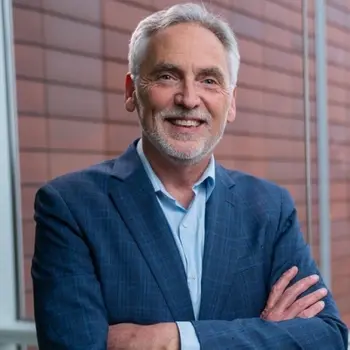
Henry L. Paulson, M.D., Ph.D., is the Lucile Groff Professor of Neurology for Alzheimer's Disease and Related Disorders in the Department of Neurology at the University of Michigan. Dr. Paulson joined the U-M faculty in 2007, and he currently directs the Michigan Alzheimer’s Disease Center (MADC) and co-direct the U-M Protein Folding Diseases Initiative.Dr. Paulson received his medical degree and doctorate in Cell Biology from Yale University in 1990. He then completed a neurology residency and neurogenetics/movement disorders fellowships at the University of Pennsylvania. In 1997, he joined the Neurology faculty at the University of Iowa, where he remained until 2007.Dr. Paulson's research and clinical interests concern the causes and treatment of age-related neurodegenerative diseases, with an emphasis on polyglutamine diseases, Alzheimer's disease and frontotemporal dementia. In 1997, his lab described abnormal protein aggregates in the polyglutamine diseases, which now are recognized as a pathological hallmark in this important class of inherited diseases. Using test tube, cell-based and animal models, he has contributed to advances in the understanding of various neurodegenerative diseases. His lab also has helped pioneer the use of gene silencing methods as potential therapy for the many neurological disorders caused by toxic mutant genes.Nationally, Dr. Paulson has directed popular courses at the American Academy of Neurology meetings, serves on the scientific advisory boards of numerous disease-related national organizations, and is past Chair of the Board of Scientific Counselors at the National Institute for Neurological Disorders and Stroke at the National Institutes of Health.Among his awards, Dr. Paulson is an Ellison Medical Foundation New Scholar in Aging, a semifinalist for the W.M. Keck Foundation Young Scholars in Medical Research, and a recipient of the Paul Beeson Physician Faculty Scholar in Aging Award from the American Federation for Aging Research. Dr. Paulson is highly rated in 41 conditions, according to our data. His clinical expertise encompasses Olivopontocerebellar Atrophy, Spinocerebellar Ataxia Type 3, Spinocerebellar Ataxia, and Drug Induced Dyskinesia. Dr. Paulson is board certified in Neurology. Dr. Paulson is currently accepting new patients.
Regents Of The Univ. Of Michigan
Vikram Shakkottai is a Neurologist practicing medicine in Ann Arbor, Michigan. Dr. Shakkottai is highly rated in 72 conditions, according to our data. His clinical expertise encompasses Olivopontocerebellar Atrophy, Spinocerebellar Ataxia, Spinocerebellar Ataxia Type 1, and Drug Induced Dyskinesia.
Taubman Center
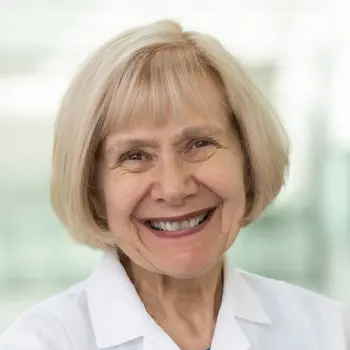
Dr. Feldman is the director of the NeuroNetwork for Emerging Therapies at Michigan Medicine and the ALS Center of Excellence at Michigan Medicine. The latter includes the Pranger ALS Clinic, one of the top multidisciplinary clinics caring for those suffering from amyotrophic lateral sclerosis (ALS). She serves as the University of Michigan James W. Albers Distinguished University Professor and the Russell N. DeJong Professor of Neurology at Michigan Medicine. Dr. Feldman is one of the world’s leading authorities on neurodegenerative disease.Dr. Feldman is a compassionate and dedicated physician who cares deeply about her patients. She has been recognized for her clinical excellence by numerous organizations and is annually named as one of the “Best Doctors in America.” Her forward-thinking, collaborative, multidisciplinary approach has transformed how neurodegenerative diseases are diagnosed, treated, and prevented.Dr. Feldman has made significant contributions to biomedical research and clinical care in many critical areas of neurodegenerative disease. She has authored over 530 peer-reviewed publications, 74 book chapters, and 5 books on the pathology, diagnosis, and treatment of neurological diseases. Dr. Feldman has been continuously funded by the NIH since 1989 and is currently the principal or co-investigator of numerous clinical trials and grants. She has received numerous awards and honors throughout her remarkable career, including the University of Michigan’s Early Distinguished Career Award, the Distinguished Faculty Achievement Award, and the Distinguished Alumnus Achievement Award. She was also the first woman in 25 years to receive the Robert S. Schwab Award from the American Clinical Neurophysiology Society. In 2022, Dr. Feldman was awarded the University of Michigan Distinguished Professorship, the highest faculty honor at University of Michigan.Dr. Feldman is actively committed to and involved in professional service. She served as President of the Peripheral Nerve Society from 2007-2009 and President of the American Neurological Association (ANA) from 2011-2013. Dr. Feldman is an elected member of the National Academy of Medicine (NAM) and Association of American Physicians, and a Fellow of the American Association for the Advancement of Science. Dr. Feldman is the Editor of the Contemporary Neurology Series and also serves on a number of editorial boards for leading scientific journals, including The Lancet Neurology, Nature Reviews Neurology, JAMA Neurology and Journal of Neurology, Neurosurgery and Psychiatry. Dr. Feldman is highly rated in 34 conditions, according to our data. Her clinical expertise encompasses Peripheral Neuropathy, Diabetic Neuropathy, Amyotrophic Lateral Sclerosis (ALS or Lou Gehrig's Disease), and Primary Lateral Sclerosis. Dr. Feldman is board certified in Neurology and Electrodiagnostic Medicine. Dr. Feldman is currently accepting new patients.
Frequently Asked Questions about Dr. Sami J. Barmada
How do I make an appointment with Dr. Sami J. Barmada?
You can book an appointment with Dr. Sami J. Barmada by calling their office at 734-764-6831. MediFind provides direct contact information so you can schedule visits, second opinions, or consultations without navigating third-party calendars.
Is Dr. Sami J. Barmada a top-rated expert for Amyotrophic Lateral Sclerosis (ALS or Lou Gehrig's Disease)?
MediFind is an objective health platform that identifies experts based on real-world data. Dr. Sami J. Barmada is classified as an Elite expert for Amyotrophic Lateral Sclerosis (ALS or Lou Gehrig's Disease), meaning they are among the top experts in the country for this condition. This ranking is based on their volume of patients, published research, and peer connections.
What conditions does Dr. Sami J. Barmada specialize in?
While Dr. Sami J. Barmada is a Neurology, they have specific expertise in Amyotrophic Lateral Sclerosis (ALS or Lou Gehrig's Disease), Primary Lateral Sclerosis, and Frontotemporal Dementia. MediFind analyzes a doctor's articles and referral patterns to identify their specific areas of focus within Neurology.
Does Dr. Sami J. Barmada participate in research or clinical trials?
Yes. Dr. Sami J. Barmada has published 110 articles and abstracts on conditions like Amyotrophic Lateral Sclerosis (ALS or Lou Gehrig's Disease). You can view a list of Dr. Sami J. Barmada's latest peer-reviewed publications and clinical trial participation on their profile to see if they are active in new treatments.
Does Dr. Sami J. Barmada accept my insurance?
Dr. Sami J. Barmada accepts most major insurance plans, including Aetna and Blue Cross Blue Shield. We recommend calling the office directly at 734-764-6831 to verify that your specific plan is currently accepted before your visit.
Areas of Expertise
MediFind evaluates expertise by pulling from factors such as number of articles a doctor has published in medical journals, participation in clinical trials, speaking at industry conferences, prescribing and referral patterns, and strength of connections with other experts in their field.
Learn more about MediFind’s expert tiers
- Elite
- Amyotrophic Lateral Sclerosis (ALS or Lou Gehrig's Disease)
- Frontotemporal DementiaDr. Barmada isElite. Learn about Frontotemporal Dementia.
- Primary Lateral SclerosisDr. Barmada isElite. Learn about Primary Lateral Sclerosis.
- Distinguished
- DementiaDr. Barmada isDistinguished. Learn about Dementia.
- Lewy Body Dementia (LBD)Dr. Barmada isDistinguished. Learn about Lewy Body Dementia (LBD).
- Advanced
- Alzheimer's DiseaseDr. Barmada isAdvanced. Learn about Alzheimer's Disease.
- Cerebellar DegenerationDr. Barmada isAdvanced. Learn about Cerebellar Degeneration.
- Drug Induced DyskinesiaDr. Barmada isAdvanced. Learn about Drug Induced Dyskinesia.
- Fragile X SyndromeDr. Barmada isAdvanced. Learn about Fragile X Syndrome.
- Memory LossDr. Barmada isAdvanced. Learn about Memory Loss.
- Movement DisordersDr. Barmada isAdvanced. Learn about Movement Disorders.
- Neuronal Intranuclear Inclusion Disease (NIID)
- Primary Progressive AphasiaDr. Barmada isAdvanced. Learn about Primary Progressive Aphasia.
- Experienced
- Acute Cerebellar AtaxiaDr. Barmada isExperienced. Learn about Acute Cerebellar Ataxia.
- Beta-Propeller Protein-Associated Neurodegeneration
- Cardiac AmyloidosisDr. Barmada isExperienced. Learn about Cardiac Amyloidosis.
- Cerebellar Multiple System AtrophyDr. Barmada isExperienced. Learn about Cerebellar Multiple System Atrophy.
- Cerebral Amyloid AngiopathyDr. Barmada isExperienced. Learn about Cerebral Amyloid Angiopathy.
- Charles Bonnet SyndromeDr. Barmada isExperienced. Learn about Charles Bonnet Syndrome.
- ChoreaDr. Barmada isExperienced. Learn about Chorea.
- Congenital Cardiovascular ShuntDr. Barmada isExperienced. Learn about Congenital Cardiovascular Shunt.
- Corticobasal DegenerationDr. Barmada isExperienced. Learn about Corticobasal Degeneration.
- Cramp-Fasciculation SyndromeDr. Barmada isExperienced. Learn about Cramp-Fasciculation Syndrome.
- Developmental Dysphasia FamilialDr. Barmada isExperienced. Learn about Developmental Dysphasia Familial.
- DysarthriaDr. Barmada isExperienced. Learn about Dysarthria.
- EncephalitisDr. Barmada isExperienced. Learn about Encephalitis.
- Hepatocerebral DegenerationDr. Barmada isExperienced. Learn about Hepatocerebral Degeneration.
- Hereditary Cerebral Amyloid AngiopathyDr. Barmada isExperienced. Learn about Hereditary Cerebral Amyloid Angiopathy.
- Huntington DiseaseDr. Barmada isExperienced. Learn about Huntington Disease.
- HydrocephalusDr. Barmada isExperienced. Learn about Hydrocephalus.
- Inclusion Body Myopathy 2Dr. Barmada isExperienced. Learn about Inclusion Body Myopathy 2.
- MyositisDr. Barmada isExperienced. Learn about Myositis.
- Normal Pressure HydrocephalusDr. Barmada isExperienced. Learn about Normal Pressure Hydrocephalus.
- Parkinson's DiseaseDr. Barmada isExperienced. Learn about Parkinson's Disease.
- Primary Localized Cutaneous AmyloidosisDr. Barmada isExperienced. Learn about Primary Localized Cutaneous Amyloidosis.
- Progressive Supranuclear PalsyDr. Barmada isExperienced. Learn about Progressive Supranuclear Palsy.
- Progressive Supranuclear Palsy AtypicalDr. Barmada isExperienced. Learn about Progressive Supranuclear Palsy Atypical.
- Secondary ParkinsonismDr. Barmada isExperienced. Learn about Secondary Parkinsonism.
- Spinocerebellar AtaxiaDr. Barmada isExperienced. Learn about Spinocerebellar Ataxia.
- Spinocerebellar Ataxia Type 3Dr. Barmada isExperienced. Learn about Spinocerebellar Ataxia Type 3.
- Striatonigral Degeneration InfantileDr. Barmada isExperienced. Learn about Striatonigral Degeneration Infantile.
- StrokeDr. Barmada isExperienced. Learn about Stroke.
- Supranuclear Ocular PalsyDr. Barmada isExperienced. Learn about Supranuclear Ocular Palsy.
- Supranuclear OphthalmoplegiaDr. Barmada isExperienced. Learn about Supranuclear Ophthalmoplegia.
- Transient Global AmnesiaDr. Barmada isExperienced. Learn about Transient Global Amnesia.
- Vascular DementiaDr. Barmada isExperienced. Learn about Vascular Dementia.