Overview
Edwin George-Ii is a Neurologist practicing medicine in Detroit, Michigan.
Dr. George-Ii is highly rated in 24 conditions, according to our data. His clinical expertise encompasses Stiff Person Syndrome, Huntington Disease, Mcleod Neuroacanthocytosis Syndrome, and Boucher-Neuhauser Syndrome.
Specialties
Licenses
Languages Spoken
Gender
Insurance
Accepted insurance can change. Please verify directly with the provider.
Accepted insurance plans:
- EPO
- HMO
- POS
- PPO
- HMO
- INDEMNITY
- POS
- PPO
- OTHER MEDICAID
- STATE MEDICAID
- EPO
- HMO
- POS
- PPO
Locations
4646 John R St, Detroit, MI 48201
Henry Ford Cancer-Detroit
Tobias Walbert is a Neurologist practicing medicine in Detroit, Michigan. Dr. Walbert is highly rated in 24 conditions, according to our data. His clinical expertise encompasses Glioma, Brain Tumor, Glioblastoma, and Astrocytoma. Dr. Walbert is currently accepting new patients.
East Ann Arbor Health & Geriatrics Center
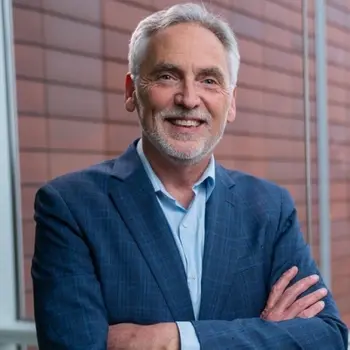
Henry L. Paulson, M.D., Ph.D., is the Lucile Groff Professor of Neurology for Alzheimer's Disease and Related Disorders in the Department of Neurology at the University of Michigan. Dr. Paulson joined the U-M faculty in 2007, and he currently directs the Michigan Alzheimer’s Disease Center (MADC) and co-direct the U-M Protein Folding Diseases Initiative.Dr. Paulson received his medical degree and doctorate in Cell Biology from Yale University in 1990. He then completed a neurology residency and neurogenetics/movement disorders fellowships at the University of Pennsylvania. In 1997, he joined the Neurology faculty at the University of Iowa, where he remained until 2007.Dr. Paulson's research and clinical interests concern the causes and treatment of age-related neurodegenerative diseases, with an emphasis on polyglutamine diseases, Alzheimer's disease and frontotemporal dementia. In 1997, his lab described abnormal protein aggregates in the polyglutamine diseases, which now are recognized as a pathological hallmark in this important class of inherited diseases. Using test tube, cell-based and animal models, he has contributed to advances in the understanding of various neurodegenerative diseases. His lab also has helped pioneer the use of gene silencing methods as potential therapy for the many neurological disorders caused by toxic mutant genes.Nationally, Dr. Paulson has directed popular courses at the American Academy of Neurology meetings, serves on the scientific advisory boards of numerous disease-related national organizations, and is past Chair of the Board of Scientific Counselors at the National Institute for Neurological Disorders and Stroke at the National Institutes of Health.Among his awards, Dr. Paulson is an Ellison Medical Foundation New Scholar in Aging, a semifinalist for the W.M. Keck Foundation Young Scholars in Medical Research, and a recipient of the Paul Beeson Physician Faculty Scholar in Aging Award from the American Federation for Aging Research. Dr. Paulson is highly rated in 41 conditions, according to our data. His clinical expertise encompasses Olivopontocerebellar Atrophy, Spinocerebellar Ataxia Type 3, Spinocerebellar Ataxia, and Drug Induced Dyskinesia. Dr. Paulson is board certified in Neurology. Dr. Paulson is currently accepting new patients.
Michigan Institute For Neurological Disorders (MIND)
Aaron Ellenbogen is a Neurologist practicing medicine in Farmington Hills, Michigan. Dr. Ellenbogen is highly rated in 61 conditions, according to our data. His clinical expertise encompasses Movement Disorders, Parkinson's Disease, Drug Induced Dyskinesia, Essential Tremor, and Deep Brain Stimulation. Dr. Ellenbogen is board certified in American Osteopathic Board Of Neurology & Psychiatry. Dr. Ellenbogen is currently accepting new patients.
Frequently Asked Questions about Dr. Edwin B. George-Ii
How do I make an appointment with Dr. Edwin B. George-Ii?
You can book an appointment with Dr. Edwin B. George-Ii by calling their office at 313-576-1000. MediFind provides direct contact information so you can schedule visits, second opinions, or consultations without navigating third-party calendars.
Is Dr. Edwin B. George-Ii a top-rated expert for Stiff Person Syndrome?
MediFind is an objective health platform that identifies experts based on real-world data. Dr. Edwin B. George-Ii is classified as an Distinguished expert for Stiff Person Syndrome, meaning they are among the top experts in the country for this condition. This ranking is based on their volume of patients, published research, and peer connections.
What conditions does Dr. Edwin B. George-Ii specialize in?
While Dr. Edwin B. George-Ii is a Neurology, they have specific expertise in Stiff Person Syndrome, Huntington Disease, and Mcleod Neuroacanthocytosis Syndrome. MediFind analyzes a doctor's articles and referral patterns to identify their specific areas of focus within Neurology.
Does Dr. Edwin B. George-Ii accept my insurance?
Dr. Edwin B. George-Ii accepts most major insurance plans, including Blue Cross Blue Shield and Humana. We recommend calling the office directly at 313-576-1000 to verify that your specific plan is currently accepted before your visit.
Areas of Expertise
MediFind evaluates expertise by pulling from factors such as number of articles a doctor has published in medical journals, participation in clinical trials, speaking at industry conferences, prescribing and referral patterns, and strength of connections with other experts in their field.
Learn more about MediFind’s expert tiers
- Distinguished
- Stiff Person SyndromeDr. George-Ii isDistinguished. Learn about Stiff Person Syndrome.
- Advanced
- Boucher-Neuhauser SyndromeDr. George-Ii isAdvanced. Learn about Boucher-Neuhauser Syndrome.
- ChoreaDr. George-Ii isAdvanced. Learn about Chorea.
- Corticobasal DegenerationDr. George-Ii isAdvanced. Learn about Corticobasal Degeneration.
- Dentatorubral-Pallidoluysian AtrophyDr. George-Ii isAdvanced. Learn about Dentatorubral-Pallidoluysian Atrophy.
- Drug Induced DyskinesiaDr. George-Ii isAdvanced. Learn about Drug Induced Dyskinesia.
- Episodic Ataxia with NystagmusDr. George-Ii isAdvanced. Learn about Episodic Ataxia with Nystagmus.
- Essential TremorDr. George-Ii isAdvanced. Learn about Essential Tremor.
- HemiplegiaDr. George-Ii isAdvanced. Learn about Hemiplegia.
- Hereditary AtaxiaDr. George-Ii isAdvanced. Learn about Hereditary Ataxia.
- Huntington DiseaseDr. George-Ii isAdvanced. Learn about Huntington Disease.
- Mcleod Neuroacanthocytosis SyndromeDr. George-Ii isAdvanced. Learn about Mcleod Neuroacanthocytosis Syndrome.
- Movement DisordersDr. George-Ii isAdvanced. Learn about Movement Disorders.
- Multiple System AtrophyDr. George-Ii isAdvanced. Learn about Multiple System Atrophy.
- Opsoclonus-Myoclonus SyndromeDr. George-Ii isAdvanced. Learn about Opsoclonus-Myoclonus Syndrome.
- Parkinson's DiseaseDr. George-Ii isAdvanced. Learn about Parkinson's Disease.
- Secondary ParkinsonismDr. George-Ii isAdvanced. Learn about Secondary Parkinsonism.
- Spinocerebellar Ataxia Type 1Dr. George-Ii isAdvanced. Learn about Spinocerebellar Ataxia Type 1.
- Spinocerebellar Ataxia Type 11Dr. George-Ii isAdvanced. Learn about Spinocerebellar Ataxia Type 11.
- Spinocerebellar Ataxia Type 17Dr. George-Ii isAdvanced. Learn about Spinocerebellar Ataxia Type 17.
- Spinocerebellar Ataxia Type 27Dr. George-Ii isAdvanced. Learn about Spinocerebellar Ataxia Type 27.
- Spinocerebellar Ataxia Type 3Dr. George-Ii isAdvanced. Learn about Spinocerebellar Ataxia Type 3.
- Spinocerebellar Ataxia Type 31Dr. George-Ii isAdvanced. Learn about Spinocerebellar Ataxia Type 31.
- Spinocerebellar Ataxia Type 7Dr. George-Ii isAdvanced. Learn about Spinocerebellar Ataxia Type 7.
- Experienced
- Acute Cerebellar AtaxiaDr. George-Ii isExperienced. Learn about Acute Cerebellar Ataxia.
- Anti-NMDA Receptor EncephalitisDr. George-Ii isExperienced. Learn about Anti-NMDA Receptor Encephalitis.
- Aromatic L-Amino Acid Decarboxylase (AADC) Deficiency
- Benign Essential BlepharospasmDr. George-Ii isExperienced. Learn about Benign Essential Blepharospasm.
- Cataract Ataxia DeafnessDr. George-Ii isExperienced. Learn about Cataract Ataxia Deafness.
- Cerebellar DegenerationDr. George-Ii isExperienced. Learn about Cerebellar Degeneration.
- Cerebellar Multiple System AtrophyDr. George-Ii isExperienced. Learn about Cerebellar Multiple System Atrophy.
- Cerebelloolivary AtrophyDr. George-Ii isExperienced. Learn about Cerebelloolivary Atrophy.
- Cerebral PalsyDr. George-Ii isExperienced. Learn about Cerebral Palsy.
- Dopa-Responsive DystoniaDr. George-Ii isExperienced. Learn about Dopa-Responsive Dystonia.
- Dry MouthDr. George-Ii isExperienced. Learn about Dry Mouth.
- EncephalitisDr. George-Ii isExperienced. Learn about Encephalitis.
- Epilepsy in ChildrenDr. George-Ii isExperienced. Learn about Epilepsy in Children.
- Epilepsy with Myoclonic-Atonic SeizuresDr. George-Ii isExperienced. Learn about Epilepsy with Myoclonic-Atonic Seizures.
- Familial Paroxysmal Nonkinesigenic DyskinesiaDr. George-Ii isExperienced. Learn about Familial Paroxysmal Nonkinesigenic Dyskinesia.
- Focal DystoniaDr. George-Ii isExperienced. Learn about Focal Dystonia.
- Infant Epilepsy with Migrant Focal CrisisDr. George-Ii isExperienced. Learn about Infant Epilepsy with Migrant Focal Crisis.
- Lewy Body Dementia (LBD)Dr. George-Ii isExperienced. Learn about Lewy Body Dementia (LBD).
- Low Blood PressureDr. George-Ii isExperienced. Learn about Low Blood Pressure.
- Meige SyndromeDr. George-Ii isExperienced. Learn about Meige Syndrome.
- Memory LossDr. George-Ii isExperienced. Learn about Memory Loss.
- Myoclonic EpilepsyDr. George-Ii isExperienced. Learn about Myoclonic Epilepsy.
- Myoclonus-DystoniaDr. George-Ii isExperienced. Learn about Myoclonus-Dystonia.
- Neuromyelitis OpticaDr. George-Ii isExperienced. Learn about Neuromyelitis Optica.
- Olivopontocerebellar AtrophyDr. George-Ii isExperienced. Learn about Olivopontocerebellar Atrophy.
- Oppenheim DystoniaDr. George-Ii isExperienced. Learn about Oppenheim Dystonia.
- Optic NeuritisDr. George-Ii isExperienced. Learn about Optic Neuritis.
- Orthostatic HypotensionDr. George-Ii isExperienced. Learn about Orthostatic Hypotension.
- Premenstrual Dysphoric DisorderDr. George-Ii isExperienced. Learn about Premenstrual Dysphoric Disorder.
- Primary Familial Brain CalcificationDr. George-Ii isExperienced. Learn about Primary Familial Brain Calcification.
- Primary Orthostatic TremorDr. George-Ii isExperienced. Learn about Primary Orthostatic Tremor.
- Progressive Supranuclear PalsyDr. George-Ii isExperienced. Learn about Progressive Supranuclear Palsy.
- Progressive Supranuclear Palsy AtypicalDr. George-Ii isExperienced. Learn about Progressive Supranuclear Palsy Atypical.
- Rasmussen EncephalitisDr. George-Ii isExperienced. Learn about Rasmussen Encephalitis.
- SeizuresDr. George-Ii isExperienced. Learn about Seizures.
- Serotonin SyndromeDr. George-Ii isExperienced. Learn about Serotonin Syndrome.
- Spinocerebellar Ataxia Type 10Dr. George-Ii isExperienced. Learn about Spinocerebellar Ataxia Type 10.
- Spinocerebellar Ataxia Type 12Dr. George-Ii isExperienced. Learn about Spinocerebellar Ataxia Type 12.
- Spinocerebellar Ataxia Type 13Dr. George-Ii isExperienced. Learn about Spinocerebellar Ataxia Type 13.
- Spinocerebellar Ataxia Type 14Dr. George-Ii isExperienced. Learn about Spinocerebellar Ataxia Type 14.
- Spinocerebellar Ataxia Type 15Dr. George-Ii isExperienced. Learn about Spinocerebellar Ataxia Type 15.
- Spinocerebellar Ataxia Type 2Dr. George-Ii isExperienced. Learn about Spinocerebellar Ataxia Type 2.
- Spinocerebellar Ataxia Type 20Dr. George-Ii isExperienced. Learn about Spinocerebellar Ataxia Type 20.
- Spinocerebellar Ataxia Type 23Dr. George-Ii isExperienced. Learn about Spinocerebellar Ataxia Type 23.
- Spinocerebellar Ataxia Type 4Dr. George-Ii isExperienced. Learn about Spinocerebellar Ataxia Type 4.
- Spinocerebellar Ataxia Type 5Dr. George-Ii isExperienced. Learn about Spinocerebellar Ataxia Type 5.
- Spinocerebellar Ataxia Type 6Dr. George-Ii isExperienced. Learn about Spinocerebellar Ataxia Type 6.
- Spinocerebellar Ataxia Type 8Dr. George-Ii isExperienced. Learn about Spinocerebellar Ataxia Type 8.
- StrokeDr. George-Ii isExperienced. Learn about Stroke.
- Subarachnoid HemorrhageDr. George-Ii isExperienced. Learn about Subarachnoid Hemorrhage.
- Supranuclear Ocular PalsyDr. George-Ii isExperienced. Learn about Supranuclear Ocular Palsy.
- Supranuclear OphthalmoplegiaDr. George-Ii isExperienced. Learn about Supranuclear Ophthalmoplegia.
- Tardive DyskinesiaDr. George-Ii isExperienced. Learn about Tardive Dyskinesia.
- Thymidine Kinase 2 Deficiency (TK2d)Dr. George-Ii isExperienced. Learn about Thymidine Kinase 2 Deficiency (TK2d).
- Transient Ischemic Attack (TIA)Dr. George-Ii isExperienced. Learn about Transient Ischemic Attack (TIA).
- West SyndromeDr. George-Ii isExperienced. Learn about West Syndrome.
- X-Linked Dystonia-ParkinsonismDr. George-Ii isExperienced. Learn about X-Linked Dystonia-Parkinsonism.