Overview
Vikram Shakkottai is a Neurologist practicing medicine in Ann Arbor, Michigan.
Dr. Shakkottai is highly rated in 72 conditions, according to our data. His clinical expertise encompasses Olivopontocerebellar Atrophy, Spinocerebellar Ataxia, Spinocerebellar Ataxia Type 1, and Drug Induced Dyskinesia.
He is actively involved in clinical research, co-authoring 80 peer reviewed articles and participating in 1 clinical trial.
Specialties
Licenses
Hospital Affiliations
Languages Spoken
Gender
Insurance
Accepted insurance can change. Please verify directly with the provider.
Accepted insurance plans:
- EPO
- HMO
- POS
- PPO
- EPO
- HMO
- POS
- PPO
- HMO
- INSURANCE PLAN
- MANAGED MEDICAID PLAN
- MEDICARE MAPD
- OTHER COMMERCIAL
- EPO
- HMO
- POS
- PPO
- HMO
- INSURANCE PLAN
- MANAGED MEDICAID PLAN
- MEDICARE MAPD
- MEDICARE PDP
- MEDICARE-MEDICAID PLAN
- OTHER COMMERCIAL
- OTHER MEDICARE
- OTHER MEDICARE PART D
- PPO
- EPO
- HMO
- PPO
- HMO
- INSURANCE PLAN
- MANAGED MEDICAID PLAN
- MEDICARE MAPD
- MEDICARE PDP
- MEDICARE SNP
- OTHER COMMERCIAL
- OTHER MEDICARE
- OTHER MEDICARE PART D
- PPO
- HMO
- INDEMNITY
- POS
- PPO
- OTHER MANAGED MEDICAID
- HMO
- MEDICARE MAPD
- INSURANCE PLAN
- MANAGED MEDICAID PLAN
- MEDICARE MAPD
- MEDICARE PDP
- MEDICARE SNP
- MEDICARE-MEDICAID PLAN
- OTHER MEDICARE PART D
- HMO
- INSURANCE PLAN
- MANAGED MEDICAID PLAN
- MEDICARE MAPD
- MEDICARE PDP
- OTHER COMMERCIAL
- MANAGED MEDICAID PLAN
- MEDICARE-MEDICAID PLAN
- OTHER COMMERCIAL
- EPO
- HMO
- POS
- PPO
- EPO
- HMO
- INSURANCE PLAN
- MANAGED MEDICAID PLAN
- MEDICARE MAPD
- MEDICARE PDP
- MEDICARE SNP
- MEDICARE-MEDICAID PLAN
- OTHER MEDICARE
- OTHER MEDICARE PART D
Locations
4260 Plymouth Rd, Ann Arbor, MI 48109
Clinical Research
Clinical research consists of overseeing clinical studies of patients undergoing new treatments and therapies, and publishing articles in peer reviewed medical journals. Providers who actively participate in clinical research are generally at the forefront of the fields and aware of the most up-to-date advances in treatments for their patients.
1 Clinical Trials
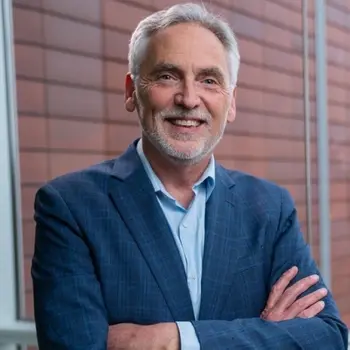
East Ann Arbor Health & Geriatrics Center
Henry L. Paulson, M.D., Ph.D., is the Lucile Groff Professor of Neurology for Alzheimer's Disease and Related Disorders in the Department of Neurology at the University of Michigan. Dr. Paulson joined the U-M faculty in 2007, and he currently directs the Michigan Alzheimer’s Disease Center (MADC) and co-direct the U-M Protein Folding Diseases Initiative.Dr. Paulson received his medical degree and doctorate in Cell Biology from Yale University in 1990. He then completed a neurology residency and neurogenetics/movement disorders fellowships at the University of Pennsylvania. In 1997, he joined the Neurology faculty at the University of Iowa, where he remained until 2007.Dr. Paulson's research and clinical interests concern the causes and treatment of age-related neurodegenerative diseases, with an emphasis on polyglutamine diseases, Alzheimer's disease and frontotemporal dementia. In 1997, his lab described abnormal protein aggregates in the polyglutamine diseases, which now are recognized as a pathological hallmark in this important class of inherited diseases. Using test tube, cell-based and animal models, he has contributed to advances in the understanding of various neurodegenerative diseases. His lab also has helped pioneer the use of gene silencing methods as potential therapy for the many neurological disorders caused by toxic mutant genes.Nationally, Dr. Paulson has directed popular courses at the American Academy of Neurology meetings, serves on the scientific advisory boards of numerous disease-related national organizations, and is past Chair of the Board of Scientific Counselors at the National Institute for Neurological Disorders and Stroke at the National Institutes of Health.Among his awards, Dr. Paulson is an Ellison Medical Foundation New Scholar in Aging, a semifinalist for the W.M. Keck Foundation Young Scholars in Medical Research, and a recipient of the Paul Beeson Physician Faculty Scholar in Aging Award from the American Federation for Aging Research. Dr. Paulson is highly rated in 41 conditions, according to our data. His clinical expertise encompasses Olivopontocerebellar Atrophy, Spinocerebellar Ataxia Type 3, Spinocerebellar Ataxia, and Drug Induced Dyskinesia. Dr. Paulson is board certified in Neurology. Dr. Paulson is currently accepting new patients.
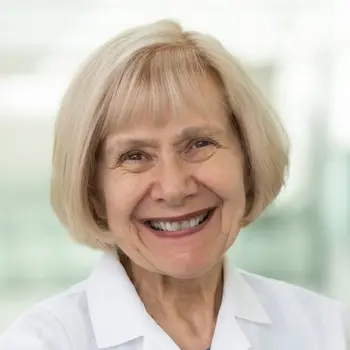
Taubman Center
Dr. Feldman is the director of the NeuroNetwork for Emerging Therapies at Michigan Medicine and the ALS Center of Excellence at Michigan Medicine. The latter includes the Pranger ALS Clinic, one of the top multidisciplinary clinics caring for those suffering from amyotrophic lateral sclerosis (ALS). She serves as the University of Michigan James W. Albers Distinguished University Professor and the Russell N. DeJong Professor of Neurology at Michigan Medicine. Dr. Feldman is one of the world’s leading authorities on neurodegenerative disease.Dr. Feldman is a compassionate and dedicated physician who cares deeply about her patients. She has been recognized for her clinical excellence by numerous organizations and is annually named as one of the “Best Doctors in America.” Her forward-thinking, collaborative, multidisciplinary approach has transformed how neurodegenerative diseases are diagnosed, treated, and prevented.Dr. Feldman has made significant contributions to biomedical research and clinical care in many critical areas of neurodegenerative disease. She has authored over 530 peer-reviewed publications, 74 book chapters, and 5 books on the pathology, diagnosis, and treatment of neurological diseases. Dr. Feldman has been continuously funded by the NIH since 1989 and is currently the principal or co-investigator of numerous clinical trials and grants. She has received numerous awards and honors throughout her remarkable career, including the University of Michigan’s Early Distinguished Career Award, the Distinguished Faculty Achievement Award, and the Distinguished Alumnus Achievement Award. She was also the first woman in 25 years to receive the Robert S. Schwab Award from the American Clinical Neurophysiology Society. In 2022, Dr. Feldman was awarded the University of Michigan Distinguished Professorship, the highest faculty honor at University of Michigan.Dr. Feldman is actively committed to and involved in professional service. She served as President of the Peripheral Nerve Society from 2007-2009 and President of the American Neurological Association (ANA) from 2011-2013. Dr. Feldman is an elected member of the National Academy of Medicine (NAM) and Association of American Physicians, and a Fellow of the American Association for the Advancement of Science. Dr. Feldman is the Editor of the Contemporary Neurology Series and also serves on a number of editorial boards for leading scientific journals, including The Lancet Neurology, Nature Reviews Neurology, JAMA Neurology and Journal of Neurology, Neurosurgery and Psychiatry. Dr. Feldman is highly rated in 33 conditions, according to our data. Her clinical expertise encompasses Peripheral Neuropathy, Diabetic Neuropathy, Amyotrophic Lateral Sclerosis (ALS or Lou Gehrig's Disease), and Autonomic Neuropathy. Dr. Feldman is board certified in Neurology and Electrodiagnostic Medicine. Dr. Feldman is currently accepting new patients.

East Ann Arbor Health & Geriatrics Center
Roger L. Albin, M.D. (Residency 1986), is a professor of neurology, associate chair for research and co-director of the Movement Disorders Clinic in the Department of Neurology in the University of Michigan Medical School. In addition, he serves as chief of neuroscience research at the VA Ann Arbor Healthcare System Geriatric Research Education and Clinical Center.Dr. Albin joined the U-M faculty in 1988 as an instructor in the Department of Neurology. He was promoted to assistant professor in 1989; associate professor in 1994; and achieved his current rank of full professor in 2000.After completing his undergraduate degree at Oberlin College in Ohio, Dr. Albin earned his medical degree from the University of Pittsburgh School of Medicine in 1982, and completed his residency at the University of Michigan in 1986. He also completed a movement disorders fellowship in 1988 under Drs. Anne Young and John Penney.His clinical and research interests include the underlying neurobiologic causes of the clinical features of movement disorders, basal ganglia structure and function, Parkinson's disease, Tourette syndrome, dementias, dystonias and Huntington's disease. His laboratory is pursuing work on basic mechanisms of neurodegeneration in Huntington disease using mouse genetic models. Dr. Albin also has participated in neuroprotective clinical trials for both Huntington's disease and Parkinson's disease.The present focus of Dr. Albin's group is uncovering the basis for non-motor (sleep disorders, depression, dementia, autonomic dysfunction) problems in Parkinson's disease. He is very interested in applying positron emission tomography (PET) imaging methods to improve diagnosis of dementing disorders like Alzheimer's disease. The hope is that understanding how specific brain alterations cause specific clinical features will lead to improved treatments.Dr. Albin currently serves as a site investigator for the National Institutes of Health (NIH) Exploratory Trials in Parkinson disease (NET-PD) initiative. His work is supported by grants from the NIH, the Michael J. Fox Foundation and the High Q Foundation.A member of the American Academy of Neurology, the American Association for the Advancement of Science, the American Neurologic Association, and the Society for Neuroscience, Dr. Albin currently serves on the editorial boards of Experimental Neurology, Neurology and Neurobiology of Disease. Dr. Albin is highly rated in 24 conditions, according to our data. His clinical expertise encompasses Movement Disorders, Parkinson's Disease, Huntington Disease, Dementia, and Deep Brain Stimulation. Dr. Albin is board certified in Neurology. Dr. Albin is currently accepting new patients.
Frequently Asked Questions about Dr. Vikram G. Shakkottai
How do I make an appointment with Dr. Vikram G. Shakkottai?
You can book an appointment with Dr. Vikram G. Shakkottai by calling their office at 734-764-6831. MediFind provides direct contact information so you can schedule visits, second opinions, or consultations without navigating third-party calendars.
Is Dr. Vikram G. Shakkottai a top-rated expert for Olivopontocerebellar Atrophy?
MediFind is an objective health platform that identifies experts based on real-world data. Dr. Vikram G. Shakkottai is classified as an Elite expert for Olivopontocerebellar Atrophy, meaning they are among the top experts in the country for this condition. This ranking is based on their volume of patients, published research, and peer connections.
What conditions does Dr. Vikram G. Shakkottai specialize in?
While Dr. Vikram G. Shakkottai is a Neurology, they have specific expertise in Olivopontocerebellar Atrophy, Spinocerebellar Ataxia, and Spinocerebellar Ataxia Type 1. MediFind analyzes a doctor's articles and referral patterns to identify their specific areas of focus within Neurology.
Does Dr. Vikram G. Shakkottai participate in research or clinical trials?
Yes. Dr. Vikram G. Shakkottai has published 80 articles and abstracts on conditions like Olivopontocerebellar Atrophy. You can view a list of Dr. Vikram G. Shakkottai's latest peer-reviewed publications and clinical trial participation on their profile to see if they are active in new treatments.
Does Dr. Vikram G. Shakkottai accept my insurance?
Dr. Vikram G. Shakkottai accepts most major insurance plans, including Aetna and Anthem BCBS. We recommend calling the office directly at 734-764-6831 to verify that your specific plan is currently accepted before your visit.
Areas of Expertise
MediFind evaluates expertise by pulling from factors such as number of articles a doctor has published in medical journals, participation in clinical trials, speaking at industry conferences, prescribing and referral patterns, and strength of connections with other experts in their field.
Learn more about MediFind’s expert tiers
- Elite
- Acute Cerebellar AtaxiaDr. Shakkottai isElite. Learn about Acute Cerebellar Ataxia.
- Drug Induced DyskinesiaDr. Shakkottai isElite. Learn about Drug Induced Dyskinesia.
- Olivopontocerebellar AtrophyDr. Shakkottai isElite. Learn about Olivopontocerebellar Atrophy.
- Spinocerebellar AtaxiaDr. Shakkottai isElite. Learn about Spinocerebellar Ataxia.
- Spinocerebellar Ataxia Type 1Dr. Shakkottai isElite. Learn about Spinocerebellar Ataxia Type 1.
- Spinocerebellar Ataxia Type 3Dr. Shakkottai isElite. Learn about Spinocerebellar Ataxia Type 3.
- Distinguished
- Alexander DiseaseDr. Shakkottai isDistinguished. Learn about Alexander Disease.
- Ataxia-TelangiectasiaDr. Shakkottai isDistinguished. Learn about Ataxia-Telangiectasia.
- Boucher-Neuhauser SyndromeDr. Shakkottai isDistinguished. Learn about Boucher-Neuhauser Syndrome.
- CACH SyndromeDr. Shakkottai isDistinguished. Learn about CACH Syndrome.
- Canavan DiseaseDr. Shakkottai isDistinguished. Learn about Canavan Disease.
- Cerebelloolivary AtrophyDr. Shakkottai isDistinguished. Learn about Cerebelloolivary Atrophy.
- Dentatorubral-Pallidoluysian AtrophyDr. Shakkottai isDistinguished. Learn about Dentatorubral-Pallidoluysian Atrophy.
- Episodic Ataxia with NystagmusDr. Shakkottai isDistinguished. Learn about Episodic Ataxia with Nystagmus.
- Farber LipogranulomatosisDr. Shakkottai isDistinguished. Learn about Farber Lipogranulomatosis.
- Friedreich AtaxiaDr. Shakkottai isDistinguished. Learn about Friedreich Ataxia.
- Hereditary AtaxiaDr. Shakkottai isDistinguished. Learn about Hereditary Ataxia.
- LeukodystrophyDr. Shakkottai isDistinguished. Learn about Leukodystrophy.
- Metachromatic LeukodystrophyDr. Shakkottai isDistinguished. Learn about Metachromatic Leukodystrophy.
- Movement DisordersDr. Shakkottai isDistinguished. Learn about Movement Disorders.
- Pelizaeus-Merzbacher DiseaseDr. Shakkottai isDistinguished. Learn about Pelizaeus-Merzbacher Disease.
- Progressive Supranuclear PalsyDr. Shakkottai isDistinguished. Learn about Progressive Supranuclear Palsy.
- Progressive Supranuclear Palsy AtypicalDr. Shakkottai isDistinguished. Learn about Progressive Supranuclear Palsy Atypical.
- Spastic Paraplegia Type 2Dr. Shakkottai isDistinguished. Learn about Spastic Paraplegia Type 2.
- Spastic Paraplegia Type 5ADr. Shakkottai isDistinguished. Learn about Spastic Paraplegia Type 5A.
- Spastic Paraplegia Type 7Dr. Shakkottai isDistinguished. Learn about Spastic Paraplegia Type 7.
- Spinocerebellar Ataxia Type 11Dr. Shakkottai isDistinguished. Learn about Spinocerebellar Ataxia Type 11.
- Spinocerebellar Ataxia Type 17Dr. Shakkottai isDistinguished. Learn about Spinocerebellar Ataxia Type 17.
- Spinocerebellar Ataxia Type 27Dr. Shakkottai isDistinguished. Learn about Spinocerebellar Ataxia Type 27.
- Spinocerebellar Ataxia Type 31Dr. Shakkottai isDistinguished. Learn about Spinocerebellar Ataxia Type 31.
- Spinocerebellar Ataxia Type 4Dr. Shakkottai isDistinguished. Learn about Spinocerebellar Ataxia Type 4.
- Spinocerebellar Ataxia Type 5Dr. Shakkottai isDistinguished. Learn about Spinocerebellar Ataxia Type 5.
- Spinocerebellar Ataxia Type 7Dr. Shakkottai isDistinguished. Learn about Spinocerebellar Ataxia Type 7.
- Striatonigral Degeneration InfantileDr. Shakkottai isDistinguished. Learn about Striatonigral Degeneration Infantile.
- Supranuclear Ocular PalsyDr. Shakkottai isDistinguished. Learn about Supranuclear Ocular Palsy.
- Supranuclear OphthalmoplegiaDr. Shakkottai isDistinguished. Learn about Supranuclear Ophthalmoplegia.
- Advanced
- Behr SyndromeDr. Shakkottai isAdvanced. Learn about Behr Syndrome.
- ChoreaDr. Shakkottai isAdvanced. Learn about Chorea.
- Congenital Mirror Movement DisorderDr. Shakkottai isAdvanced. Learn about Congenital Mirror Movement Disorder.
- Corticobasal DegenerationDr. Shakkottai isAdvanced. Learn about Corticobasal Degeneration.
- Familial Benign Copper DeficiencyDr. Shakkottai isAdvanced. Learn about Familial Benign Copper Deficiency.
- Fragile X SyndromeDr. Shakkottai isAdvanced. Learn about Fragile X Syndrome.
- Fragile XE SyndromeDr. Shakkottai isAdvanced. Learn about Fragile XE Syndrome.
- Harding AtaxiaDr. Shakkottai isAdvanced. Learn about Harding Ataxia.
- Hereditary Spastic ParaparesisDr. Shakkottai isAdvanced. Learn about Hereditary Spastic Paraparesis.
- Horizontal Gaze Palsy with Progressive Scoliosis
- Infantile-Onset Spinocerebellar Ataxia (IOSCA)
- L1 SyndromeDr. Shakkottai isAdvanced. Learn about L1 Syndrome.
- Marinesco Sjogren SyndromeDr. Shakkottai isAdvanced. Learn about Marinesco Sjogren Syndrome.
- Megalencephalic Leukoencephalopathy with Subcortical Cysts
- Menkes DiseaseDr. Shakkottai isAdvanced. Learn about Menkes Disease.
- Multiple System AtrophyDr. Shakkottai isAdvanced. Learn about Multiple System Atrophy.
- Niemann-Pick DiseaseDr. Shakkottai isAdvanced. Learn about Niemann-Pick Disease.
- Occipital Horn SyndromeDr. Shakkottai isAdvanced. Learn about Occipital Horn Syndrome.
- Parkinson's DiseaseDr. Shakkottai isAdvanced. Learn about Parkinson's Disease.
- Pol 3-Related LeukodystrophyDr. Shakkottai isAdvanced. Learn about Pol 3-Related Leukodystrophy.
- Premenstrual Dysphoric DisorderDr. Shakkottai isAdvanced. Learn about Premenstrual Dysphoric Disorder.
- Primary Familial Brain CalcificationDr. Shakkottai isAdvanced. Learn about Primary Familial Brain Calcification.
- Progressive External OphthalmoplegiaDr. Shakkottai isAdvanced. Learn about Progressive External Ophthalmoplegia.
- Secondary ParkinsonismDr. Shakkottai isAdvanced. Learn about Secondary Parkinsonism.
- Serotonin SyndromeDr. Shakkottai isAdvanced. Learn about Serotonin Syndrome.
- Spastic Ataxia Charlevoix-Saguenay TypeDr. Shakkottai isAdvanced. Learn about Spastic Ataxia Charlevoix-Saguenay Type.
- Spastic ParaparesisDr. Shakkottai isAdvanced. Learn about Spastic Paraparesis.
- Spastic Paraplegia Type 11Dr. Shakkottai isAdvanced. Learn about Spastic Paraplegia Type 11.
- Spastic Paraplegia Type 3ADr. Shakkottai isAdvanced. Learn about Spastic Paraplegia Type 3A.
- Spastic Paraplegia Type 4Dr. Shakkottai isAdvanced. Learn about Spastic Paraplegia Type 4.
- Spastic Paraplegia-Epilepsy-Intellectual Disability Syndrome
- Spinocerebellar Ataxia Type 28Dr. Shakkottai isAdvanced. Learn about Spinocerebellar Ataxia Type 28.
- Spinocerebellar Ataxia Type 6Dr. Shakkottai isAdvanced. Learn about Spinocerebellar Ataxia Type 6.
- Spinocerebellar Degeneration and Corneal Dystrophy
- Stiff Person SyndromeDr. Shakkottai isAdvanced. Learn about Stiff Person Syndrome.
- Troyer SyndromeDr. Shakkottai isAdvanced. Learn about Troyer Syndrome.
- Experienced
- Acid Sphingomyelinase Deficiency (ASMD)Dr. Shakkottai isExperienced. Learn about Acid Sphingomyelinase Deficiency (ASMD).
- Alternating Hemiplegia of ChildhoodDr. Shakkottai isExperienced. Learn about Alternating Hemiplegia of Childhood.
- Amyotrophic Lateral Sclerosis (ALS or Lou Gehrig's Disease)
- Anti-NMDA Receptor EncephalitisDr. Shakkottai isExperienced. Learn about Anti-NMDA Receptor Encephalitis.
- ApraxiaDr. Shakkottai isExperienced. Learn about Apraxia.
- Brain HerniationDr. Shakkottai isExperienced. Learn about Brain Herniation.
- CamptocormismDr. Shakkottai isExperienced. Learn about Camptocormism.
- Cataract Ataxia DeafnessDr. Shakkottai isExperienced. Learn about Cataract Ataxia Deafness.
- Cerebellar DegenerationDr. Shakkottai isExperienced. Learn about Cerebellar Degeneration.
- Cerebellar Multiple System AtrophyDr. Shakkottai isExperienced. Learn about Cerebellar Multiple System Atrophy.
- Chiari MalformationDr. Shakkottai isExperienced. Learn about Chiari Malformation.
- Chiari Malformation Type 1Dr. Shakkottai isExperienced. Learn about Chiari Malformation Type 1.
- Conversion DisorderDr. Shakkottai isExperienced. Learn about Conversion Disorder.
- DysarthriaDr. Shakkottai isExperienced. Learn about Dysarthria.
- EncephalitisDr. Shakkottai isExperienced. Learn about Encephalitis.
- Essential TremorDr. Shakkottai isExperienced. Learn about Essential Tremor.
- Focal DystoniaDr. Shakkottai isExperienced. Learn about Focal Dystonia.
- Foot DropDr. Shakkottai isExperienced. Learn about Foot Drop.
- Generalized Tonic-Clonic SeizureDr. Shakkottai isExperienced. Learn about Generalized Tonic-Clonic Seizure.
- Hepatocerebral DegenerationDr. Shakkottai isExperienced. Learn about Hepatocerebral Degeneration.
- Huntington DiseaseDr. Shakkottai isExperienced. Learn about Huntington Disease.
- HydrocephalusDr. Shakkottai isExperienced. Learn about Hydrocephalus.
- Invertebral Disc DiseaseDr. Shakkottai isExperienced. Learn about Invertebral Disc Disease.
- Lewy Body Dementia (LBD)Dr. Shakkottai isExperienced. Learn about Lewy Body Dementia (LBD).
- Low Blood PressureDr. Shakkottai isExperienced. Learn about Low Blood Pressure.
- Mcleod Neuroacanthocytosis SyndromeDr. Shakkottai isExperienced. Learn about Mcleod Neuroacanthocytosis Syndrome.
- Memory LossDr. Shakkottai isExperienced. Learn about Memory Loss.
- MigraineDr. Shakkottai isExperienced. Learn about Migraine.
- Mitochondrial Neurogastrointestinal Encephalopathy Disease
- Muscle SpasmsDr. Shakkottai isExperienced. Learn about Muscle Spasms.
- NeuralgiaDr. Shakkottai isExperienced. Learn about Neuralgia.
- OpisthotonosDr. Shakkottai isExperienced. Learn about Opisthotonos.
- Opsoclonus-Myoclonus SyndromeDr. Shakkottai isExperienced. Learn about Opsoclonus-Myoclonus Syndrome.
- ParaplegiaDr. Shakkottai isExperienced. Learn about Paraplegia.
- Peripheral NeuropathyDr. Shakkottai isExperienced. Learn about Peripheral Neuropathy.
- Polycystic Lipomembranous Osteodysplasia with Sclerosing Leukoencephalopathy
- Primary Lateral SclerosisDr. Shakkottai isExperienced. Learn about Primary Lateral Sclerosis.
- Primary Orthostatic TremorDr. Shakkottai isExperienced. Learn about Primary Orthostatic Tremor.
- Rasmussen EncephalitisDr. Shakkottai isExperienced. Learn about Rasmussen Encephalitis.
- Retinal Vasculopathy with Cerebral Leukodystrophy
- SeizuresDr. Shakkottai isExperienced. Learn about Seizures.
- SpasticityDr. Shakkottai isExperienced. Learn about Spasticity.
- Spinal and Bulbar Muscular AtrophyDr. Shakkottai isExperienced. Learn about Spinal and Bulbar Muscular Atrophy.
- Spinal Muscular Atrophy Type 3Dr. Shakkottai isExperienced. Learn about Spinal Muscular Atrophy Type 3.
- Spinocerebellar Ataxia Type 10Dr. Shakkottai isExperienced. Learn about Spinocerebellar Ataxia Type 10.
- Spinocerebellar Ataxia Type 12Dr. Shakkottai isExperienced. Learn about Spinocerebellar Ataxia Type 12.
- Spinocerebellar Ataxia Type 13Dr. Shakkottai isExperienced. Learn about Spinocerebellar Ataxia Type 13.
- Spinocerebellar Ataxia Type 14Dr. Shakkottai isExperienced. Learn about Spinocerebellar Ataxia Type 14.
- Spinocerebellar Ataxia Type 15Dr. Shakkottai isExperienced. Learn about Spinocerebellar Ataxia Type 15.
- Spinocerebellar Ataxia Type 2Dr. Shakkottai isExperienced. Learn about Spinocerebellar Ataxia Type 2.
- Spinocerebellar Ataxia Type 20Dr. Shakkottai isExperienced. Learn about Spinocerebellar Ataxia Type 20.
- Spinocerebellar Ataxia Type 23Dr. Shakkottai isExperienced. Learn about Spinocerebellar Ataxia Type 23.
- Spinocerebellar Ataxia Type 8Dr. Shakkottai isExperienced. Learn about Spinocerebellar Ataxia Type 8.
- StrabismusDr. Shakkottai isExperienced. Learn about Strabismus.
- Susac SyndromeDr. Shakkottai isExperienced. Learn about Susac Syndrome.
- Tardive DyskinesiaDr. Shakkottai isExperienced. Learn about Tardive Dyskinesia.
- Transverse MyelitisDr. Shakkottai isExperienced. Learn about Transverse Myelitis.